CAL Department of Comparative Cultural Studies
  • Degrees & programs
    • Undergraduate
      • Bachelor of Arts in Comparative Cultural Studies
        •      Art History
        •      Asian Studies
        •      Comparative Study of      Religions
        •      Public Humanities
        •      Museum Studies
      • Bachelor of Arts in Asian Studies - Integrated Global Program
    • Minors
      • Art History
      • Asian Studies
      • Comparative Study of Religions
      • Humanities
      • Museum Studies
  • Resources
    • Student resources
    • Advising
      • Planning a course of study
      • Degree checklist
    • Scholarships
    • Internships
  • Events
  • Study Abroad
  • About
    • Faculty and staff
    • News
  • IN
  • CAL
  • Department of Comparative Cultural Studies
  • Anime: an old way to tell new stories

Anime: an old way to tell new stories

Posted by Laura on October 24, 2023

The popularity of anime television shows like Naruto (2002-2007) and Demon Slayer (2019) highlight the longevity and continued impact of anime across the globe. So, it might come as a bit of surprise to discover that the origins of anime are in the centuries old practice of kabuki theater in Japan, an influence that still informs anime today.

Incredible showmanship, elaborate costumes, and exaggerated performances are long standing characteristics of kabuki theater and manifest in the the bright colors, high fashion, and dynamic characters of anime. In kabuki, the visual aspects are more than just entertainment, they convey meaning to the audience since the performers, both past and present, typically use an older form of Japanese which can be difficult to understand even to fluent speakers. The plots are usually over the top and portray  battles, romances, and the supernatural, but also may depict historical events or well-known stories. Only women were allowed to perform in kabuki adaptations until the Tokugawa Shogunate (1600-1868). Then, restrictions were placed on actresses during the Edo period (1603–1867) and men began performing traditionally female roles.

Many elements of kabuki have been incorporated into anime for decades. Super sentai performances,  groups of masked heroes who fight evil, were adapted from kabuki and into anime series aimed at children. Another common element is mie, which is a character’s trademark pose. We usually see mie in superhero anime like Sailor Moon.
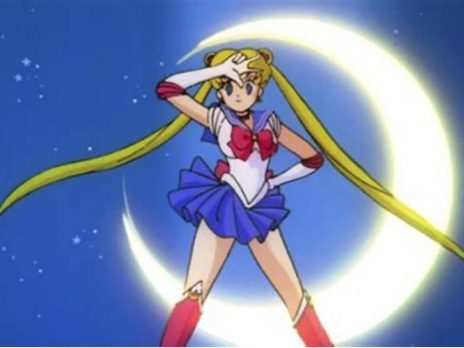
silor moon cartoon girl standing and saluting
Kunihiko Ikuhara. (Director). (1992–1997). Sailor Moon. Toei, Inc.

It is also common for popular anime to inspire contemporary kabuki theater adaptations, which provide audiences with new perspectives on their favorite stories. In 2020, Hayao Miyazaki’s Nausicaä of the Valley of the Wind was adapted for the kabuki stage. This adaptation was especially exciting for fans because Nausicaä was based on a manga series that ended ten years after the release of the film. This meant the play could go into greater detail about the story than the film , which is not uncommon in kabuki adaptations. The plays can often last up to four hours!
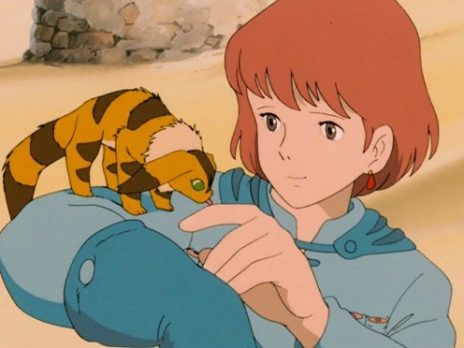
Scene from Nausica of the Valley of the Wind showing small animal on boys shoulder
Hayao Miyazaki. (Director). (1984). Nausicaä of the Valley of the Wind. Toei, Inc

Modern kabuki plays also sometimes incorporate aspects of American and European theater productions. In the stage adaptation of Yona of the Dawn, for example, many of the sound effects and songs were pre-recorded rather than performed live. The performances also feature multi-layer backgrounds,  which are common in set designs for theater productions in the U.S.

Understanding the connection between anime and kabuki can give us a more thoughtful enjoyment of both. The latest talk in the Let’s Anime! series will examine gender and performance in kabuki theater adaptations of anime. This free event is open to anyone interested in anime, the Japanese language, or Japanese culture!

– Katie Squires, Junior | English Literature Major | Journalism Minor | CAL Marketing Team Fall ’23

Filed Under: Asian Studies, CCS events, Comparative Study of Religions, Faculty Research, Public Humanities

Recent Posts

  • TWO New CCS Minors!
  • Explore CCS’s NEW Master’s Program: ACIP
  • Digital outreach internships at the NAU Art Museum spring 2026
  • Collections management internship opportunity with the NAU Art Museums
  • Dr. Gioia Woods Book Signing!

Recent Comments

    Archives

    • April 2026
    • November 2025
    • May 2025
    • April 2025
    • March 2025
    • February 2025
    • January 2025
    • December 2024
    • November 2024
    • October 2024
    • September 2024
    • August 2024
    • May 2024
    • April 2024
    • March 2024
    • February 2024
    • January 2024
    • December 2023
    • November 2023
    • October 2023
    • September 2023
    • August 2023
    • July 2023
    • May 2023
    • April 2023
    • March 2023
    • February 2023
    • January 2023
    • November 2022
    • October 2022
    • September 2022
    • May 2022
    • March 2022
    • February 2022
    • January 2022
    • December 2021
    • November 2021
    • October 2021
    • September 2021
    • July 2021

    Categories

    • Alumni News
    • Art History
    • Asian Studies
    • CCS events
    • Comparative Study of Religions
    • Environmental Humanities
    • Faculty news
    • Faculty Research
    • film series
    • Latin American Studies
    • Museum Studies
    • Public Humanities
    • Student News
    • Student Research
    • Uncategorized

    Meta

    • Log in
    • Entries feed
    • Comments feed
    • WordPress.org
    Department of Comparative Cultural Studies
    Location
    Room 104 Main Office Building 15
    Riles
    317 W Tormey Dr.
    Flagstaff, Arizona 86011
    Mailing Address
    P.O. Box 6031
    Flagstaff, Arizona 86011
    Email
    ComparativeCulturalStudies@nau.edu
    Phone
    928-523-3881
    Social Media
    Facebook Instagram LinkedIn