November 20, 2026
Co-Creating Health Education: A Community-Driven Approach to Cancer Screening and Diabetes Care
A conversation with Dr. Melinda Smith
November is Native American Heritage Month, a time to recognize the histories, cultures, and legacies of Native Americans and the way that tribal members continue to shape heritage. For her SHERC Pilot Project (PPP), Dr. Melinda Smith is investigating the effectiveness of a locally-grounded health curriculum by examining changes in knowledge, health behaviors, and intentions to participate in cancer screening within the Hopi Tribe.
About the Researcher
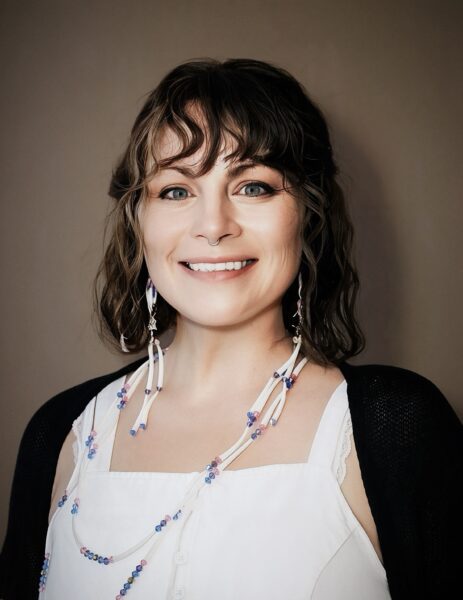
Dr. Melinda Smith is an Assistant Research Professor in Health Sciences with the Center for Community Health and Engaged Research (CHER) at Northern Arizona University. She serves as the principal investigator on the Ööqalat’ Qa’tsit Yesni Health Curriculum Pilot Project. Originally from the Flathead Reservation in Northwest Montana, she is an enrolled member of the Confederated Salish and Kootenai Tribes.
About the Research
Chronic diseases* affect many communities throughout the United States, including many tribal communities. In today’s blog post, Melinda discusses her work co-developing a health education curriculum to address chronic disease. By grounding the curriculum in locally-relevant and traditionally-informed practices and methods, Dr. Smith and her collaborators hope to support the community’s chronic disease prevention efforts.
MELINDA: My Pilot Project is a continuation of work I’ve been doing with the Hopi Department of Health and Human Services. It focuses on supporting cancer screening and diabetes self-management among Hopi citizens on the Hopi Reservation. The goals are to support the community’s efforts in cancer screening and early detection as well as diabetes management and prevention.
*Chronic diseases: Health conditions that last for one year or longer, require ongoing medical attention, limit activities of daily living, or are a combination of these factors.
Passion for Creating Meaningful Change
MELINDA: This work is really personal. As a tribal member of the Confederated Salish and Kootenai Tribes, I’ve witnessed firsthand the impact of diabetes, cancer, and similar chronic diseases on my community and my family. Working to improve chronic disease outcomes has driven my decisions academically and professionally, especially as these are issues not just within my family and my community, but a lot of other communities as well. Chronic diseases especially affect Native communities and communities that are facing a lack of resources. I’m very passionate about creating meaningful change that can improve health outcomes across people and communities, and this work is an opportunity to give back and support Indigenous communities by building community capacity to address these issues.
Focus on Community-Engaged Research
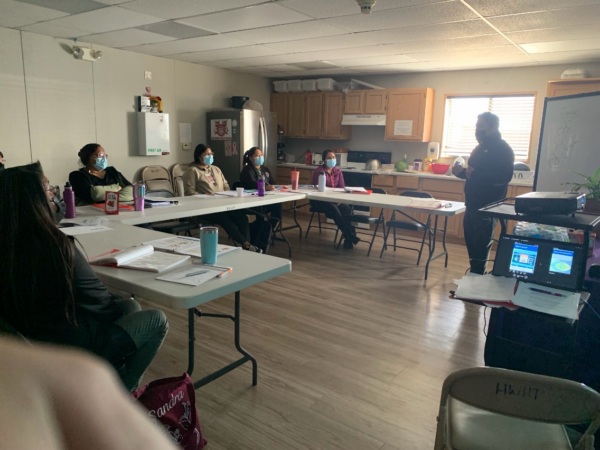
MELINDA: I feel that all of my work would be considered community-engaged research, especially this Pilot Project. This PPP is a continuation of work I’ve done with the Hopi Tribe since around the end of 2021. We’ve been working on developing this health education curriculum since then and, through the PPP, we’ve had the support to look at the impact the curriculum can have on cancer screening behaviors. This work also allows us to determine how to make our practices and methods sustainable. The health education curriculum is co-developed with the Hopi Department of Health and Human Services (DHHS), and supports existing infrastructure in terms of cancer screening and diabetes management. Every step of the project sees community involvement, and there would be no project if not for my community partners and the participants involved.
Building on Existing Strengths and Emphasizing Traditional Wellness
MELINDA: With Hopi DHHS being such an important part of the project development and implementation process, a lot of the curriculum has been purposefully tied to what supports and structures are already accessible and available to community partners and participants. My community partners work throughout various programs of Hopi DHHS, and each of those programs have their own goals and objectives. A big part of making the health education curriculum locally relevant is ensuring that these partner programs are supported in meeting their mission as well. Making connections to existing programs and goals is one of the biggest strengths of this project because it will enable community partners to continue to implement this health education curriculum long after our PPP ends.
We’ve also built in a component that focuses on traditional wellness, specifically emphasizing and honoring Hopi practices and beliefs, further centering the community throughout the whole project. Ultimately, this curriculum is Hopi intellectual property, and it will remain with the Hopi community.
Success Through Community Ownership
Here, Melinda discusses what success looks like to her for the Ööqalat’ Qa’tsit Yesni Health Curriculum Pilot Project.
MELINDA: Success will be improving health behaviors among those who receive health education. Success will be supporting the local programs to meet their goals and objectives. Success will be this health education curriculum being implemented long after the funding is over. It will look like prolonged sustainability and locally relevant capacity building.
I’m very happy that there’s a lot of community ownership of this health education curriculum. It was developed in the Hopi community, and I feel that I was just one among many supporting its development. I’m excited that this project is going to result in something that can remain in the community with the potential to carry on and make a difference, supporting and improving health behaviors and outcomes.
Reach out to learn more!
Melinda Smith: Melinda.Smith@nau.edu
Interested in learning more about community health research at NAU?
Visit CHER’s social media for short stories that highlight SHERC researchers, students, lab spaces, and more! Look for “Fit it in a Minute” posts.