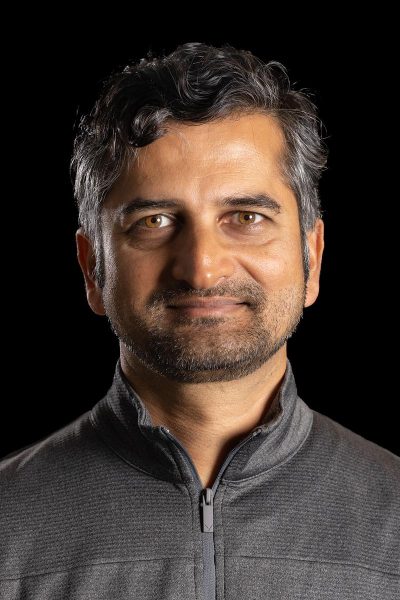
A brief overview of Dr. Amresh’s Research.
Dr. Amresh conducts research in the development of Serious Games and previously he led the Computer Gaming curriculum initiatives at Arizona State University, where he founded the Computer Gaming Certificate, Camp Game and UTBC summer programs. He was the founding program chair for the Simulation Science Games and Animation program at Embry Riddle Aeronautical University and his industry pursuits included working for Ronin Entertainment as a Graphics Software Engineer known for Star Wars: Force Commander and Bruce Lee Quest of the Dragon games. He is the author of Unreal Game Development, a popular book used for teaching game development skills for high school students. He has given numerous talks on using games in the class room for enhancing math and science learning. He is currently researching the development of software tools to improve game based learning outcomes.
Tell us something people might be surprised to learn about you.
I am an avid outdoor enthusiast and have hiked some of the most challenging trails in the world. I am an amateur cook and never shy from experimenting in the kitchen. When it comes to games, I am a huge RTS fan and love games like Starcraft and Civilization.
What inspired you to become an engineer/researcher/educator?
When I started designing games in the late 90’s there was no formal education for game design and I always wondered how to build a college program that can provide opportunities for students coming out of high school who are passionate about games and game design. I left my job at a game studio and built a career in developing gaming and game design programs over the last two decades.
Describe your research or area of expertise in everyday language.
Everyone plays some form of a game, where the objective is primarily entertainment or fun, however, the power of games is transformative and can be applied to many of the problems we face in our communities. I transcend this space where I apply the power of games, design, interaction, and immersion to help solve some of the most grueling problems in domains like education, health care, simulation, and workforce development.
What excites you most about your work right now?
We are developing some really cool games that are aimed at reducing stress, anxiety, depression and prevent suicide among young adults especially those that live in rural/remote and tribal areas of the US. Our IMG students are involved in the design, deployment and data collection/research analysis of how effective these games are with our community partners.
What do you enjoy most about teaching and mentoring students?
The world of interactive media is always evolving, for example, the Sphere in Las Vegas had a large team of over 500 professionals ranging from engineers, artists, technocrats, and architects all working to build a truly immersive and transformative space where how you interact with data and information is incredible. I aspire to distill such innovations and bring them into our curriculum and classes, so our students can find remarkable joy and gainful employment when seeking out career opportunities upon graduation.
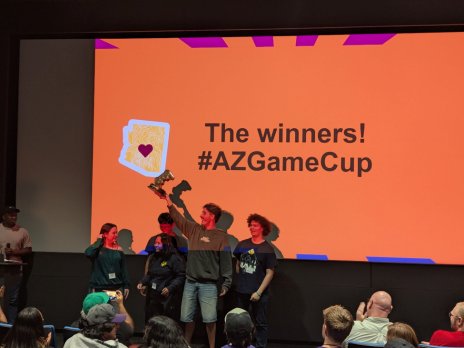
Is there a student success story or memorable classroom moment you’d like to share?
The first-ever AZ Game Cup, a game design competition among Arizona’s top 5 universities sponsored by Unity Technologies, was held in 2025 at Arizona State University and our NAU IMG team won the Cup and the top prize for their creative design during the two-day challenge.
How does your work make a difference outside the university?
We are heavily involved in the Four Corners region and are improving the computational literacies of K-12 teachers in schools in this region. NAU’s mission is to impact and improve the communities it serves, and our IMG program heavily participates in research and outreach activities to improve the well-being and educational competencies of rural/tribal communities within the Four Corners region of the US.
What advice would you give to future engineering students?
Do not miss any opportunity to improve your portfolio or skills beyond your classroom. Participate in game design challenges, hackathons, regional/national/international competitions, visit other institutional labs and programs, do more than what the class projects ask you to, always seek out new challenges and engage with opportunities in research and development.