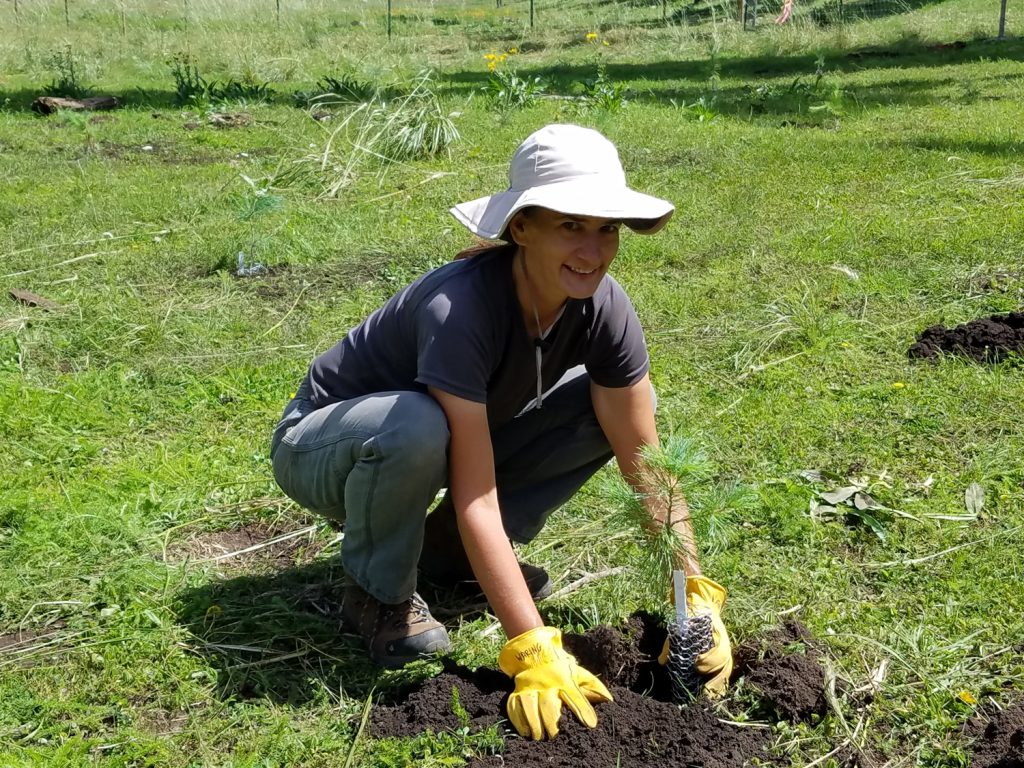


When it comes to reforestation, what can northern Arizona learn from Sweden? Kristen Waring, a professor of silviculture and applied forest health at NAU, is about to find out.
With support from a prestigious Fulbright Research Award, Waring will spend the 2026-27 academic year at the Swedish Forest Research Institute’s office in Svalöv. Over the course of nine months, she’ll help assess Sweden’s success in regenerating drought- and fire-stricken forests by planting seedlings, with the aim of using those findings to improve regeneration in and around Flagstaff.
“Planted seedling survival is often lower here than needed in post-fire environments,” Waring said. While at the institute in Sweden, “I hope to learn from their strategies and experiences as well as compare outcomes and drivers.”
Waring explained that future forests need a healthy regeneration rate to stay resilient in a rapidly changing climate. While trees usually regenerate naturally, they often can’t after they’ve been walloped by wildfires. That’s when human-powered restoration work needs to supplement the trees’ efforts.
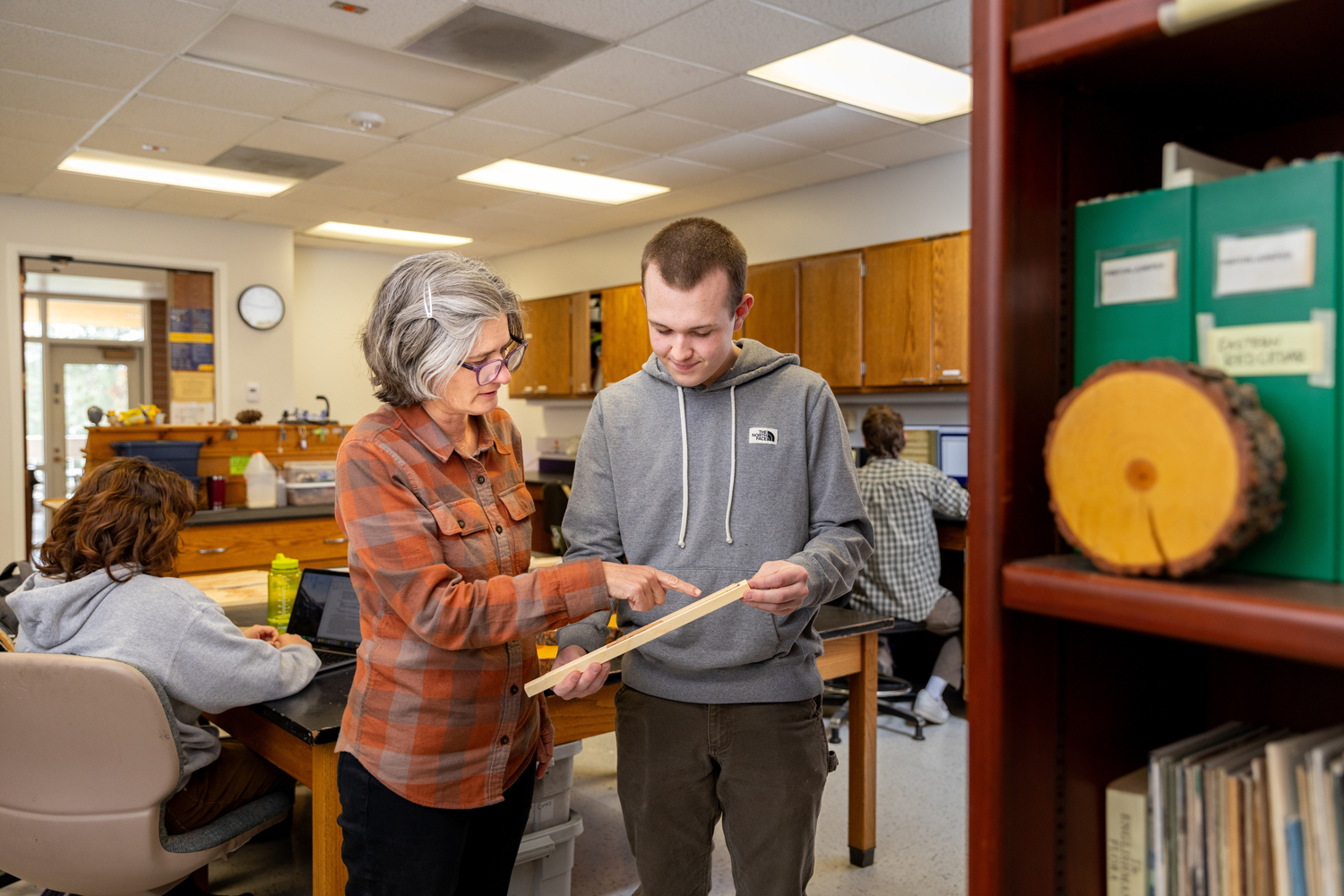
Planting seedlings can be costly and time-intensive, Waring said. That’s why she’s collaborating with Swedish forest scientists to understand what conditions make tree seedlings most likely to succeed.
“Comparing planting success rates and contributing factors across diverse regions may provide insights key to increasing success in future projects by identifying common challenges and successful strategies,” Waring said. “The project is focused on building future forest resilience by understanding which factors, particularly those related to climate, contribute to planted seedling success rates following disturbances that remove all trees.”
After assessing the relationship between climate and seedling growing success in Sweden, Waring will compare the variables that impact seedling establishment in Sweden with those in the American Southwest—two different places with disparate climates. Finally, Waring will use that information to make recommendations that could ensure future success in reforestation, both in Sweden and in Arizona.
Achieving high seedling survival rates can be challenging, requiring healthy, vigorous seedlings, but is imperative to both ensuring a future forest and efficient use of resources,” Waring said.

Jill Kimball | NAU Communications
(928) 523-2282 | jill.kimball@nau.edu