


What if the classroom that prepares you to become a teacher isn’t limited to the United States? For Ivy Perrin, a senior majoring in education who is graduating in December, the dream of teaching abroad became a reality thanks to the Consortium for Overseas Student Teaching (COST) program and the Center of International Education (CIE).
Through this innovative program that combines eight weeks of student teaching in the U.S. with eight weeks in an international classroom, education students can gain hands-on experience while discovering how teaching and learning take place across different cultures.
Amanda Williamson, lead education abroad advisor in CIE, said the program was created by administrators from a variety of universities throughout the world to give students the opportunity to learn across countries and cultures.
“I have seen firsthand the difference that it makes when you work with an educator who has an understanding of different types of cultures, different backgrounds and different languages,” Williamson said. “The COST program provides a wealth of experience that our students will be able to take into their future classrooms.”
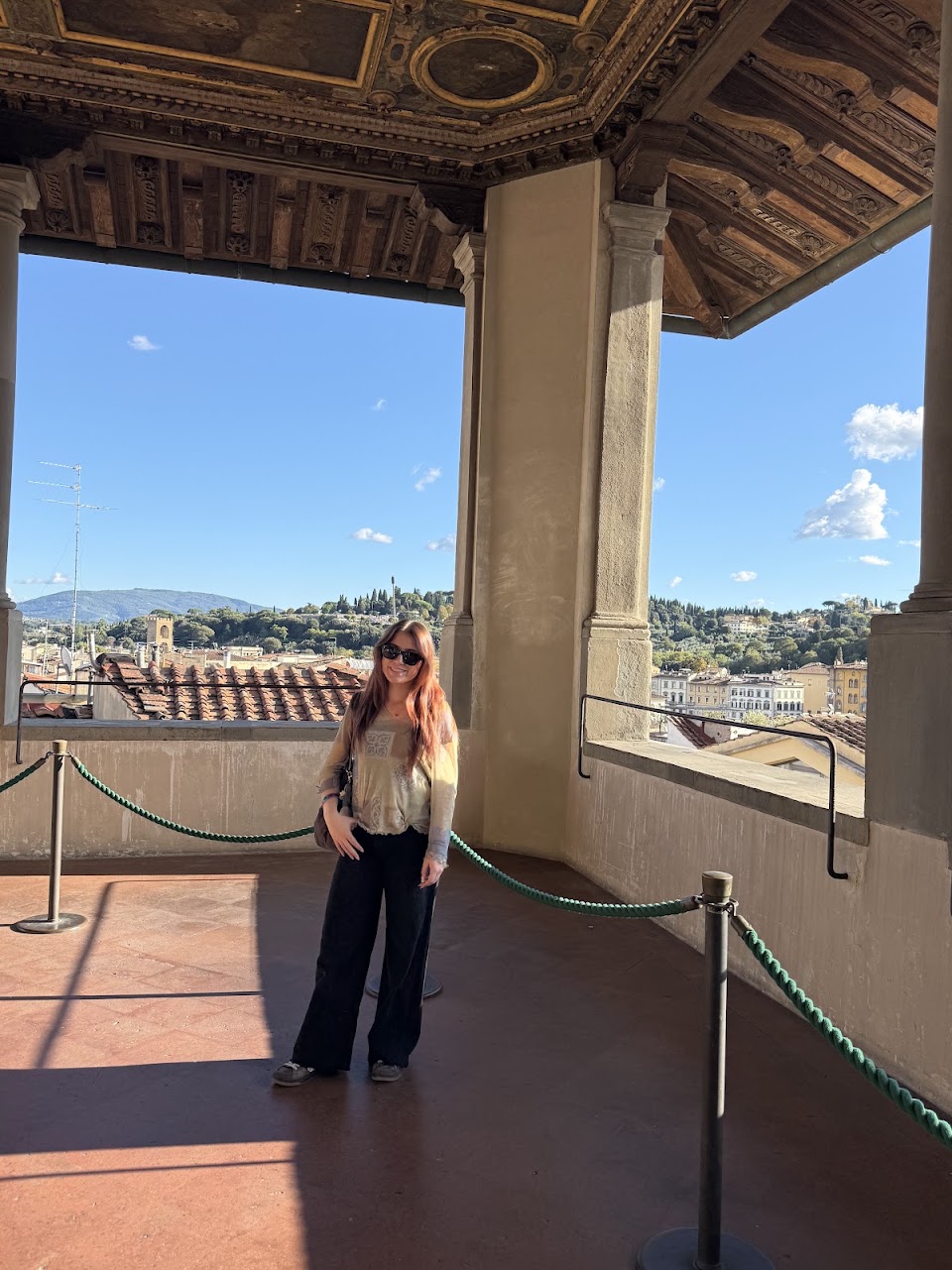 Which is exactly what Perrin has been learning for the past couple of weeks while completing the international portion of the program in Greece. She started her student teaching at Boulder Creek High School in the Valley and is now at Pinewood American International School in Thessaloniki teaching art to elementary students. This experience is shaping more than just her teaching skills; it is helping her define what kind of educator she hopes to become.
“Because I am at an international school, there is a mix of cultures, which is incredible,” Perrin said. “There are over 35 languages spoken and we teach in Greek and English. Most students are at least bilingual, but some speak more than two languages, and they are learning from people from around the world.”
COST pairs the students with a mentor teacher in the country they select. For two weeks, they observe; after that, they take over lessons and classroom management. Then, they lean back into the co-teacher role while the mentor takes over the classroom again.
“It is a different system than the one I am used to,” Perrin said. “There is a holistic approach to handling things, rather than just using discipline. You get one warning and after that you talk to the principal.”
Another difference Perrin pointed out was class size; the typical class at the school she is working at has only 12 students, which she said helps with classroom management and keeping track of materials in class. She also found a surprising similarity.
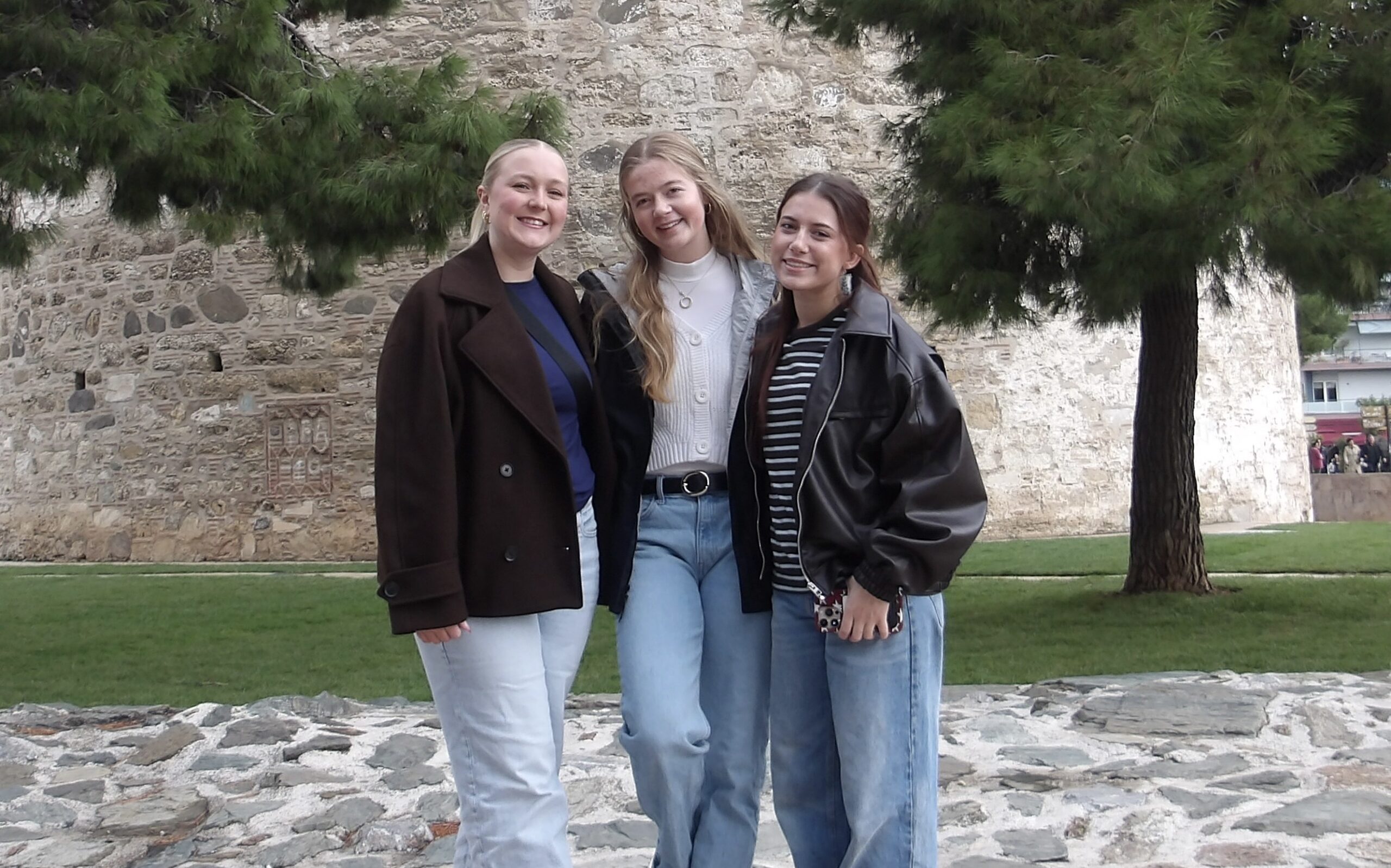 “Kids are kids regardless of the different places around the world they come from,” she said. “The conversations they have, the way they act with their friends, their interests and the things they enjoy doing are the same, which was cool to see. We are all human; we are the same.”
This experience was full of firsts for Perrin: first time traveling alone, first time abroad and first time learning another language. She is learning Greek and hopes to teach abroad when she graduates. Her older sister worked in the Philippines for seven years and hopes she and Perrin can find an assignment abroad together.
Williamson said Perrin’s experience illustrates why going abroad can create better teachers: Observing a classroom in a different country can make educators more open-minded and flexible.
“Students get exposure to different cultures, learn cross-cultural competency and the differences in the educational systems, which include the way schools are structured and the different things they emphasize,” Williamson said. “Those different approaches to education are going to shift the way that student teachers are thinking about how they’re going to manage their own classrooms.”
 Mariana Laas | NAU Communications
(928) 523-5050 | mariana.laas@nau.edu