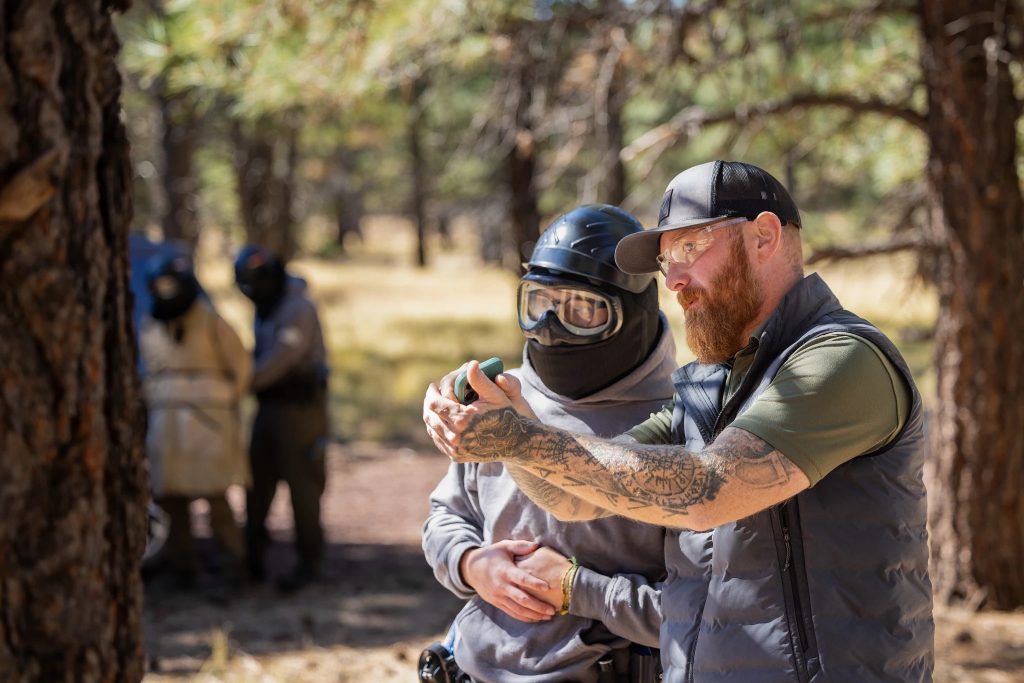


For students who want a career protecting communities, enforcing the law or preserving public lands, the path can begin long before they put on a uniform. Through classroom instruction, practical training and exposure to the realities of the job, the Law Enforcement Training Academy at NAU is preparing the next generation of professionals to serve both the people and the places they call home right after graduation.
 The program, which started in 1998, fulfills the Arizona Peace Officer Standards and Training (AZ POST) requirements and is open to NAU students as a minor, sponsoring law enforcement agencies throughout the state and individuals who are just seeking training and experience in law enforcement.
Patrick Michael O’Connor, director of NAU’s Law Enforcement Training Academy, graduated from the program in 2002, and after a 20-year career in law enforcement, he found his way back to NAU.
“I was able to come full circle and be the director of the same program I graduated from,” O’Connor said. “It is long and arduous, but upon completion, students can become law enforcement officers. They are also eligible to receive a certificate through the National Park Service to become seasonal law enforcement officers. We have connections in Washington State Parks and Wyoming State Parks and other law enforcement agencies throughout the country that will accept this training so students can go in whatever direction they want.”
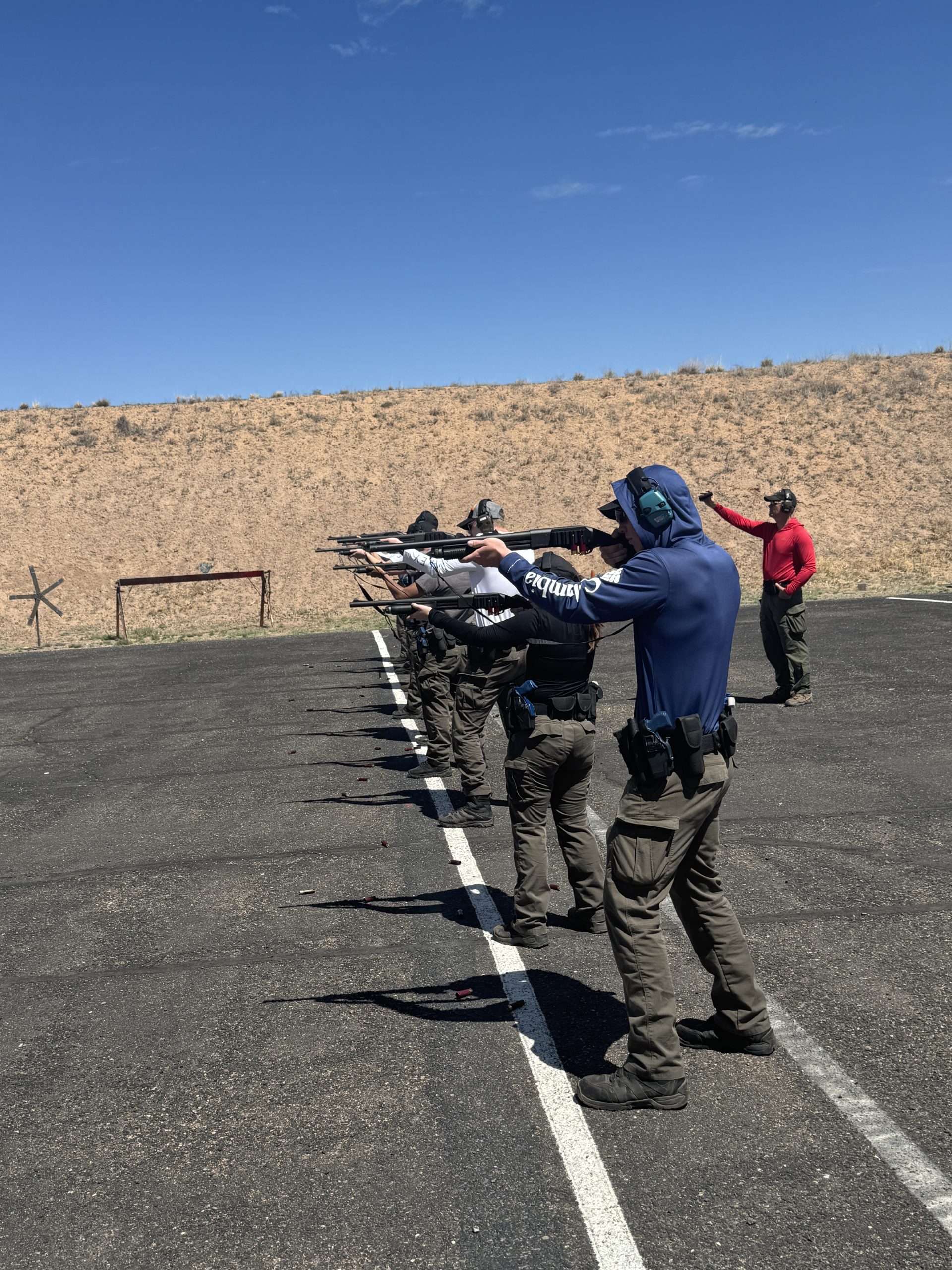
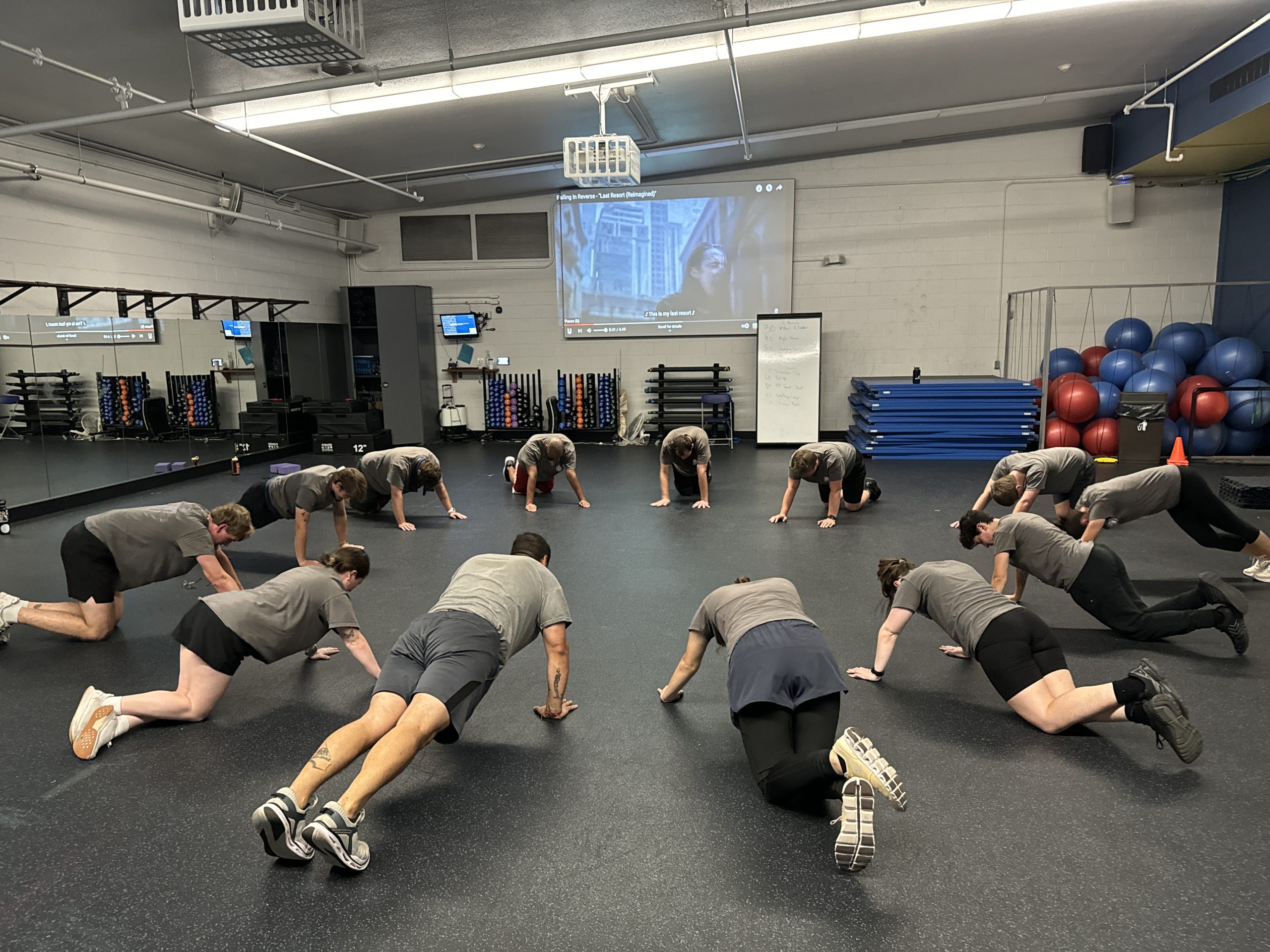 The class meets four days a week, 10 hours a day for five months. Students participate in physical fitness, which O’Connor said is a critical component of being a successful law enforcement officer. The program covers constitutional law and the Fourth Amendment and practices de-escalation tactics and techniques. Students train in the use of firearms, including pistols, shotguns and rifles, as well as in law enforcement defensive tactics and reality-based training scenarios to be ready for the field upon graduation.
Alan Ramirez, a senior majoring in criminology, chose the Law Enforcement Training Academy as a minor for the security it can provide for his future. As a veteran, he is no stranger to the program’s physical training requirements, and once he heard about the certifications it offered, he enrolled right away.
“When you apply to a police department, they send you to an academy, but this program is different because you are a student and you can knock it out in your minor and get the certification,” Ramirez said. “I plan to get married and want a career where I will have job security and get a position in any state or city. This is a good fit for me.”
Upon competition of the program, students can apply for any law enforcement job in the state, including jobs with the National Park Service. This is what attracted senior Keigan Hughes to the minor. Hughes is majoring in parks and recreation management and minoring in both the academy and outdoor leadership and education. He said this program was the reason he selected NAU.
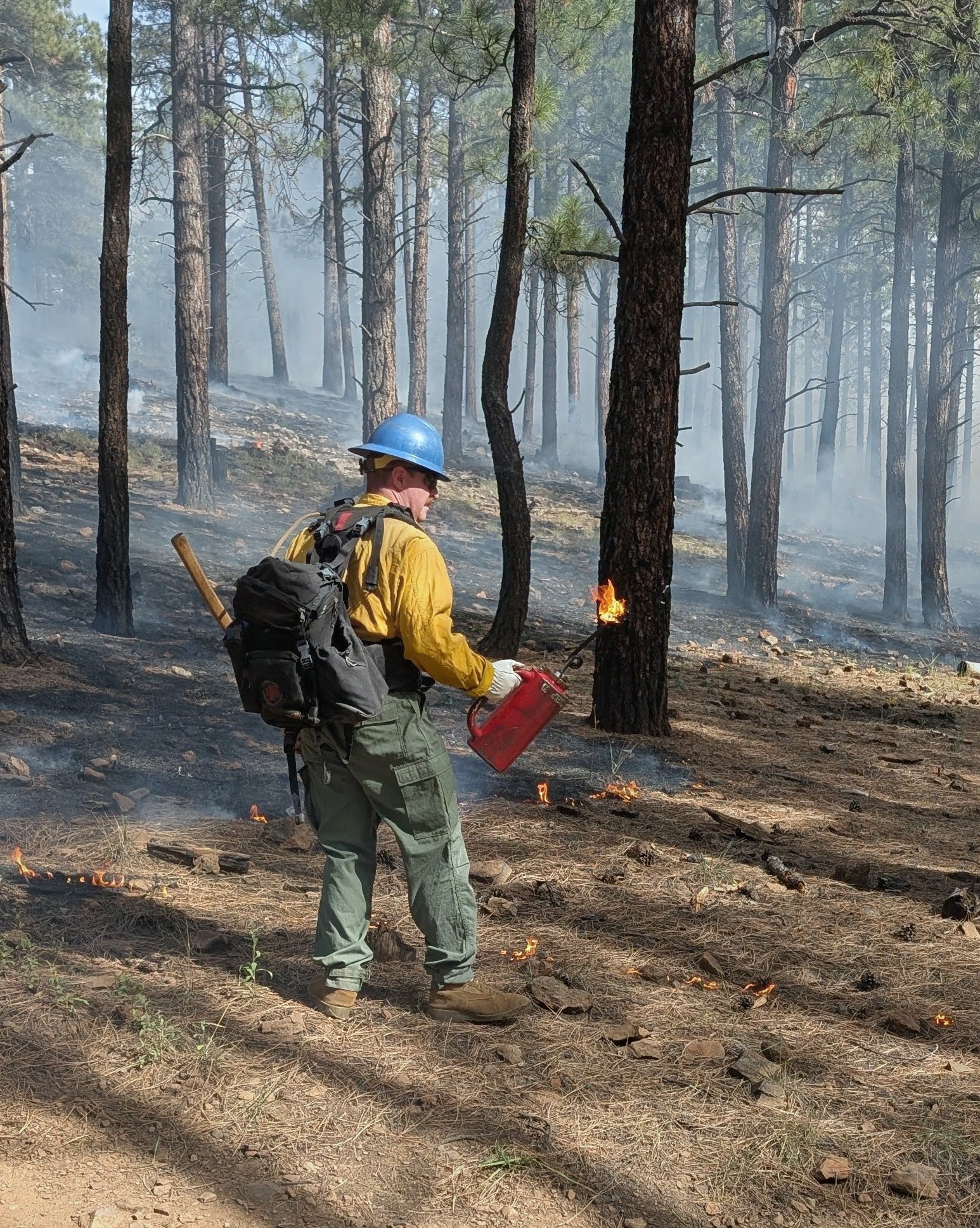 “I have always been interested in working for the parks as a ranger,” Hughes said. “Since 2022, I have worked for Colorado Parks and Wildlife doing a variety of positions and I fell in love with the job. As a kid, I remember going to all the national parks, seeing all the rangers and knowing that was what I wanted to do with my life. I knew it was my calling. When I was researching schools, I saw that NAU offered the program and that it was one of the best academies in the country.”
The Law Enforcement Training Academy runs only once a year, but O’Connor said the goal is to run two academies a year, one in the fall semester and one in the spring. Students interested in enrolling should contact their advisor since the 15-credit-hour program is not only time-intensive but typically starts two weeks before the traditional semester and ends two weeks after. The application period ends six weeks before the first day of class. Students are encouraged to apply early to ensure a seat in the program.
“We are surrounded by public lands, with our national parks and forest service lands,” O’Connor said. “Students get exposed to the federal curriculum and how to work for those agencies. Being at a university, we are very stringent in our academics and ensure that all our graduates have a full understanding of the Constitution and how that applies to the day-to-day activities of a law enforcement officer. It also puts the students who want a career in law enforcement amongst their peers; this helps show that law enforcement professionals are people too. Our participants stay in academic housing and walk around the building. Other students can see that police are approachable, that we’re family and that we’re friends as well. That we’re all part of the same objective: to keep happy and safe communities. We can all achieve that goal by working together.”
For more information, email Patrick Michael O’Connor.
 Mariana Laas | NAU Communications
(928) 523-5050 | mariana.laas@nau.edu