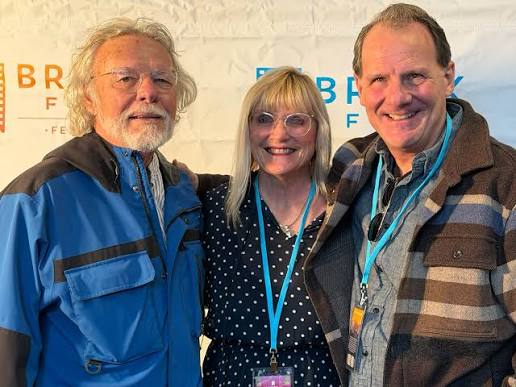


“Making UNQUIET,” a film directed by Michelle Bauer Carpenter, executive director of the School of Communication, recently premiered at the Breckenridge Film Festival in Colorado. The documentary, which was supported by NAU’s 2026 Scholarly and Creative Activity Award, explores the emotional landscape of bipolar disorder and the lives of people affected by it. The NAU Review spoke with Carpenter about her experience creating this film, which is available on PBS for International Mental Health Day, October 10th.
Tell me about the film.
“Making UNQUIET” is a 30-minute documentary that explores the creation of the musical composition “UNQUIET.” Composer Shelby Rassler wrote the piece, which explores the emotional landscape of bipolar disorder and the 13-year average care gap, the time it takes for a person to understand they might have bipolar disorder.
At the heart of the film is an extraordinary creative collaboration between Rassler and world-renowned jazz drummer Joseph Farnsworth, which translates the highs and lows of bipolar disorder into sound. Each musical motif mirrors the lived experience of the condition, offering audiences a visceral understanding that words alone cannot convey.
My film explores the profound gaps in understanding bipolar disorder and uses a moving blend of interviews, original music and visual storytelling. The film invites audiences into the creation of the music and a deeply human experience shaped by both struggle and resilience.
What inspired you to make this documentary?
My work as a filmmaker is driven by a deep commitment to storytelling as a means of understanding—ourselves, others and the world we share. I am drawn to stories that exist at the intersection of personal experience and broader social realities, where individual lives illuminate complex issues such as identity, resilience, injustice and healing.
At the core of my work is a desire to amplify voices and experiences that are often overlooked or misunderstood. I am particularly interested in how people navigate challenges—whether they stem from systemic injustice, health, identity or personal transformation. My films often emerge from both research and lived experience, creating a space where the personal and the political intersect.
What was your favorite part?
I love interviewing and editing. When you prepare for a documentary interview, you shape your questions around the story you hope to tell and you think you know the answers people might give. I love being surprised when the story shifts from what you thought it would be. I am always listening for what can be the beginning and ending. I love editing, and I can lose hours and days in the process. Thinking about possible structure and playing with timing and breath. I always start with audio transcriptions and edit based on story. Then I go back and address the image.