

Every journey begins with a single step, but some journeys take us far beyond what we ever imagined. Traveling can be more than an opportunity to visit a new place; it can also be a way to discover new cultures, build lasting connections and gain a deeper understanding of the world around us.
This summer, a group of 30 Lumberjacks discovered just that through NAU’s award-winning Global Citizens Project Scholars (GCPS) program, which took students to Italy, Ecuador and a new destination, Puerto Rico. GCPS began in 2022 in collaboration with the Honors College and the Economic Policy Institute (EPI) to provide resources and expand access to global experiences for undergraduate students who might not otherwise have the opportunity to travel outside the continental U.S.
 “GCPS is open to Pell-grant-eligible, first-generation, Indigenous and honors students in the Yuma and Flagstaff mountain campuses,” said Angelina Palumbo, director of business and educational partnerships at the Center of International Education (CIE). “The program is there to help students understand their place in the world by looking at their identity through their own lens as well as through the lenses of others. Students take an introspective look at where they are and how it potentially applies to their space in the world.”
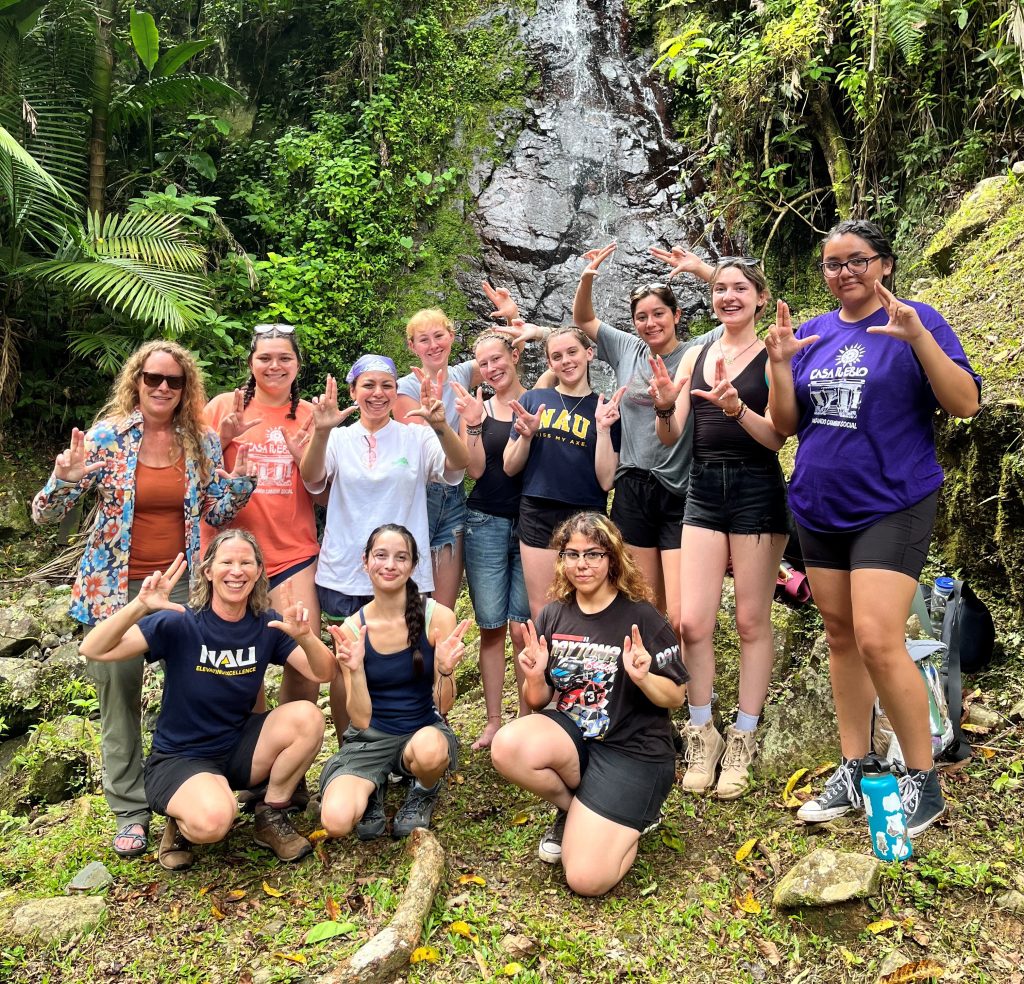
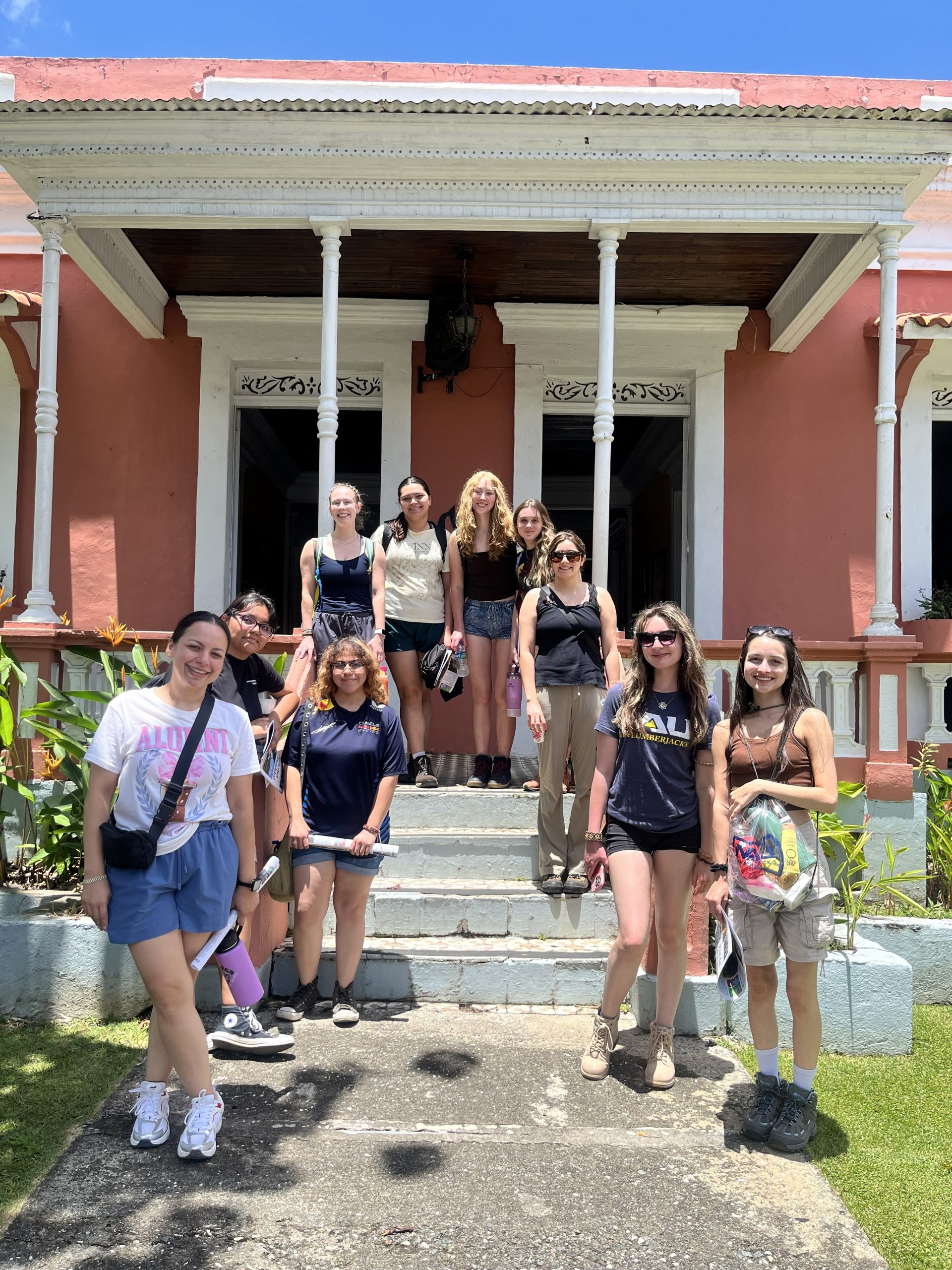
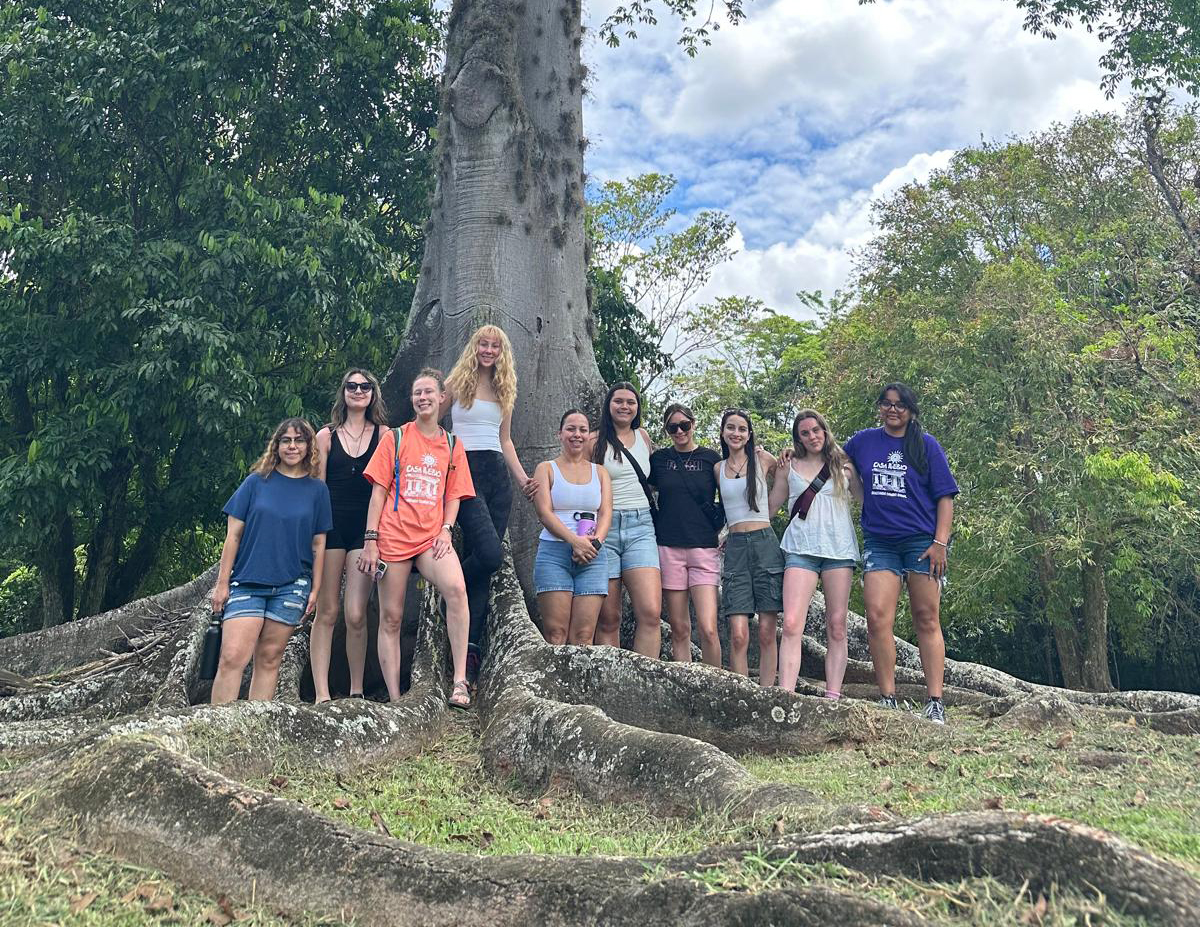
This summer, during the Puerto Rico program, students explored the island, its traditions and the communities who live there after six weeks of online classes. Ten undergraduates from a variety of majors participated.
“We chose Puerto Rico this summer to provide access,” Palumbo said. “We thought it was a good first step for students who might not be ready to go internationally and would be more comfortable traveling away from the continental U.S. Puerto Rico offers a completely different cultural experience while not needing a passport to travel there. Part of the course includes looking at colonialism and the impacts it has had on the archipelago and across the U.S., as well as how it has impacted the decisions that are being made on the island.”
 Changing perspectives
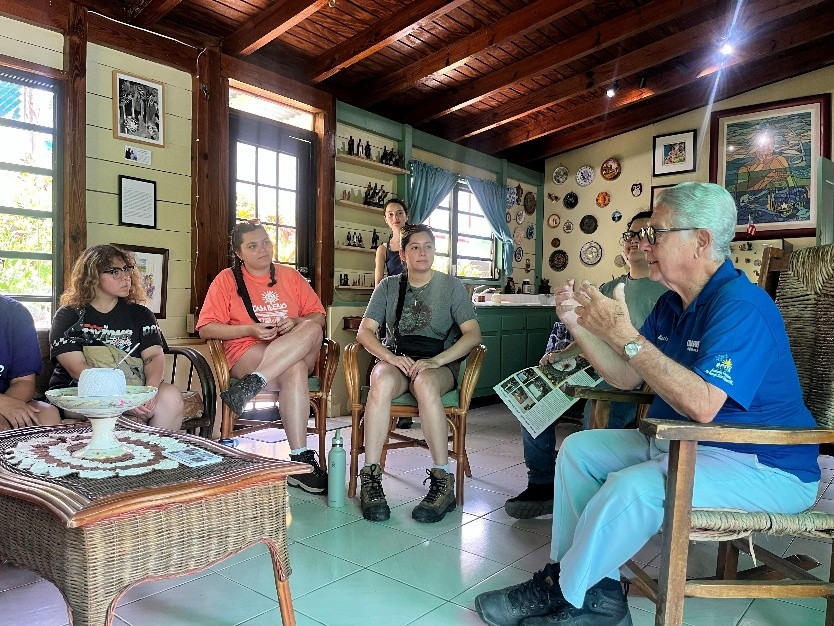
Students had the opportunity to interview locals about their thoughts on statehood and independence. It was something Tianna Lyons, a sophomore in strategic communications with a minor in social work, said made an impact.
“Before arriving in Puerto Rico, many of us assumed that most Puerto Ricans wanted independence from the U.S.,” Lyons said. “However, while we were in Adjuntas, our tour guide shared his own perspective and explained that he did not want Puerto Rico to become independent. That moment reminded me that communities are not monolithic and that there are always multiple perspectives within any group of people.”
 Palumbo said another highlight of the journey was their visit to Casa Pueblo in Adjuntas. This environmental community organization has reclaimed energy independence by installing solar panels and creating a microgrid system that allows them to avoid relying on the government to restore the power grid after a storm. The community manages the power itself so that local businesses are not left in the dark and people can plug into outlets to connect with their loved ones for free.
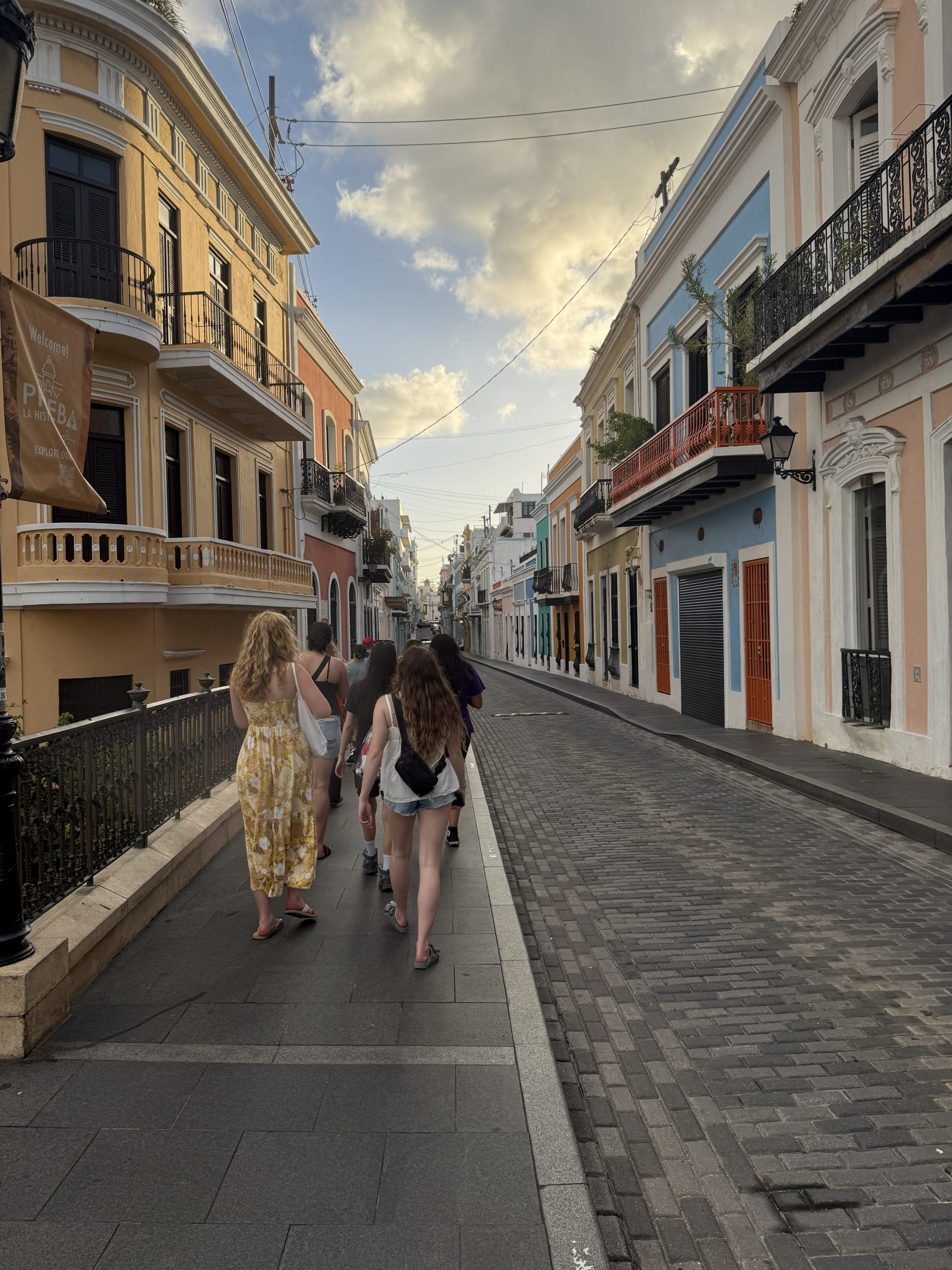
Students visited Old San Juan and El Yunque National Forest and participated in a coffee tree planting service project during their visit to Casa Pueblo. They also experienced marine ecology lessons in La Parguera, where they swam in a bioluminescent bay. Students also explored the Caguana Ceremonial Indigenous Heritage Center near Utuado in the central mountains, where they learned about Taíno history and culture.
“It was amazing to see students make the connection from pre-researching, reading books and watching documentaries to going and actually experiencing everything firsthand,” Palumbo said. “It brought the whole cohesiveness of the program together. The itinerary for this program was specially crafted with this in mind, with the assistance of Rima Brusi, professor in the Honors College.”
A one-of-a-kind mentor
 One of the assignments of the program consisted of having students select a biological mentor within Puerto Rico, using a practice called biomimicry.
“This is the practice of emulating nature’s strategies to solve human challenges,” said Melissa Jurgensen, research associate at EPI and professor of the program. “It was included in the GCPS Puerto Rico program because it complements the concept of global citizenship. Just as global citizenship encourages us to learn from and respect diverse cultures, biomimicry teaches us to learn from and respect the natural world and of course, these things are related.”
Jurgensen said that by studying how local organisms function to contribute to the health and resilience of their communities, students gained insight into how humans can likewise contribute to the well-being of the cultural and environmental systems of which they are a part. This approach encouraged students to view themselves as not only tourists but also as responsible participants in the diverse, complex and long-standing stories on the archipelago of Puerto Rico.
Through a self-lens, students reflected on their backgrounds, career plans and responsibilities as global citizens, and through a nature-lens, they selected a Puerto Rican plant or animal as their biological “mentor.” Once a mentor was selected, students completed a biomimicry nature technology summary on their organism, relating it back to their careers and what they have learned from their mentor.
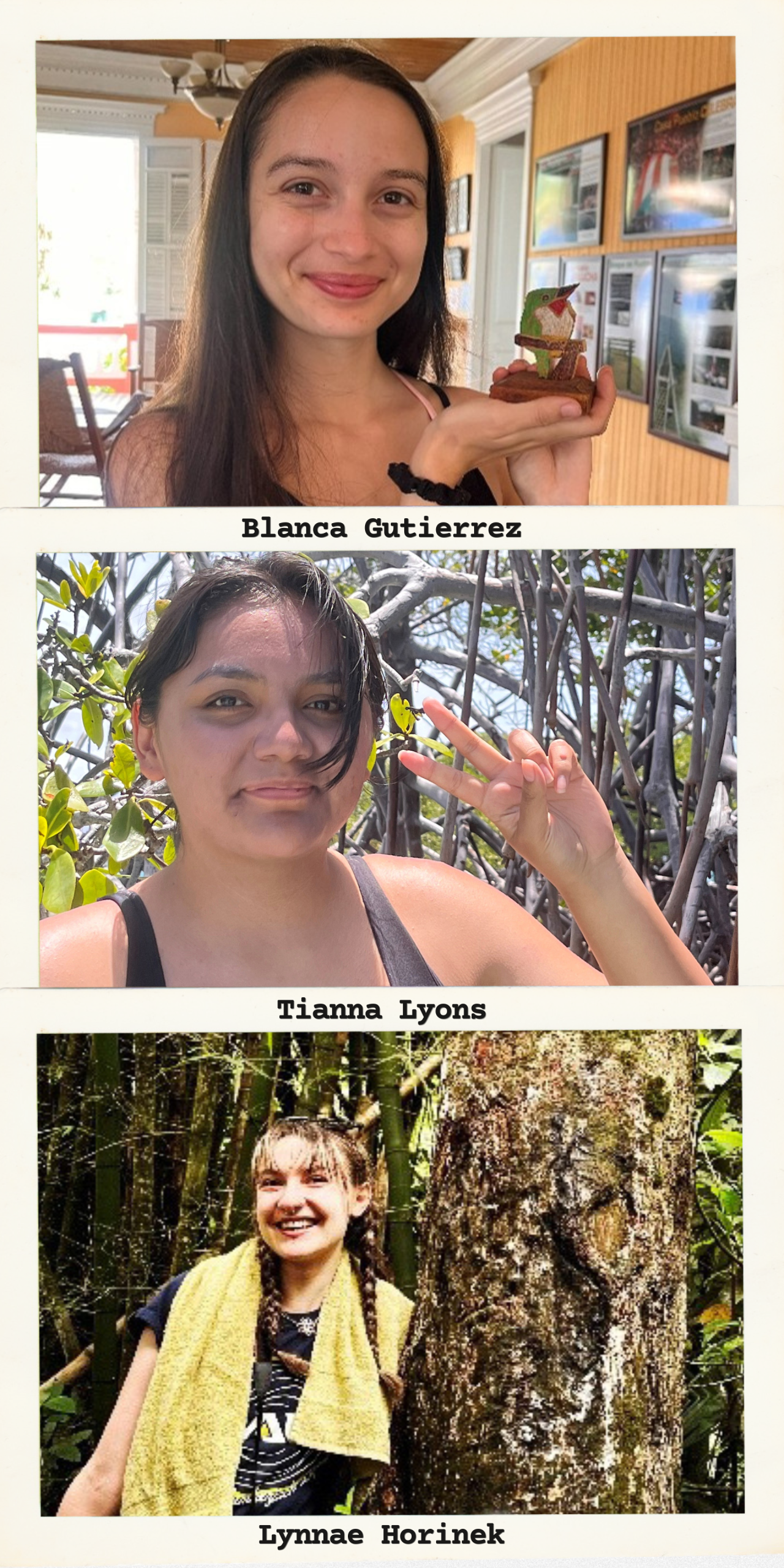
“I chose the Puerto Rican parrot because its function is to communicate across vast distances in a dense rainforest with its distinct calls,” said senior Bianca Gutierrez, a psychological sciences major. “This has made them resilient against climate-related adversities and has helped them maintain their community. This function aligns with my future career in counseling as it is essential to learn how to effectively communicate with clients, which comes with adapting to the surrounding environment and community to learn a variety of customs and ways of life.”
Other biological mentors included the hawksbill sea turtle, the bioluminescent dinoflagellate, the flor de maga, the West Indian manatee, the coquí frog and the red mangrove, chosen by Tianna Lyons because of the stability it represents and how it helps support and protect the ecosystems.
Lynnae Horinek, a junior majoring in psychological sciences and Spanish, choose the Tabonuco tree as her biological mentor.
“I selected the Tabonuco tree because it taught me how to come together with others to find solutions with roots intertwined, holding steady against hurricane-force winds,” Horinek said. “Through all lenses, I’ve learned so much about global citizenship, how nature can teach us about our own lives and solutions and how it can reflect what’s going on in social and economic contexts.”
Lessons learned
 After the journey, students returned with a broader understanding of different cultures, ecosystems and the importance of community and connection. The experience demonstrated how learning through travel can bring classroom concepts to life for students. “As a Native American student, I had never traveled this far from home before,” Lyons said. “Being able to experience another culture firsthand was both exciting and eye-opening. Everyone in the group was excited to learn, willing to engage with new ideas, and open to perspectives that were different from their own. The lessons I learned in Puerto Rico are things I continue to carry with me and I believe other students would benefit from having the same opportunity.”
For more information about the GCPS program, visit their website or contact Angelina Palumbo via email. The deadline to apply for the 6th annual 2027 GCPS program for Italy, Ecuador and Vietnam is Nov. 1.
 Mariana Laas | NAU Communications
(928) 523-5050 | mariana.laas@nau.edu