Reflections from the Third Annual Arizona Intertribal Cancer Health Equity Forum
Advancing Cancer Health Equity Together
The third annual Arizona Intertribal Cancer Health Equity Forum (AICHEF), hosted by the American Cancer Society–funded Center for Native American Cancer Health Equity (C-NACHE), was held on Tuesday, September 30, 2025, at the High Country Conference Center on the Northern Arizona University campus in Flagstaff, Arizona.

This full day gathering convened a diverse group of tribal health educators and leaders, community health representatives and workers, healthcare providers and administrators, researchers and epidemiologists, nonprofit advocates, and tribal government, health board, and cancer program leaders. Together, participants shared a common purpose: advancing cancer health equity across tribal communities.
The forum was designed to highlight collective accomplishments, strengthen understanding of the cancer care continuum, learn about current and planned Indian Health Service (IHS) actions, and explore how C-NACHE can continue supporting improved cancer care resources in tribal communities.
Opening in a Good Way
The day began in a good way with an opening prayer offered by Joyceline Greymountain, a 2025 Native American Student Webinar Advisory Coalition (NASWAC) cohort member. Her words grounded the gathering and set the tone for a day of meaningful dialogue and shared learning.

Following the opening, C-NACHE Evaluation Co-Leads Kelly Laurila, MA, and Marissa Tutt, MPH, provided an overview of C-NACHE’s mission, activities, and accomplishments to date. This introduction offered helpful context for attendees who were newer to C-NACHE’s work and reaffirmed shared goals for those already engaged.
Community Cancer Care and Burden Assessment Updates
C-NACHE team members Chassity Begay, MPH, and Marissa Tutt, MPH, shared updates from the Community Cancer Care and Burden Assessment. Their presentation highlighted key findings from community surveys, including challenges tribal community members face when accessing cancer care, as well as important insights into the tribal approval processes that guide respectful and effective community engagement.
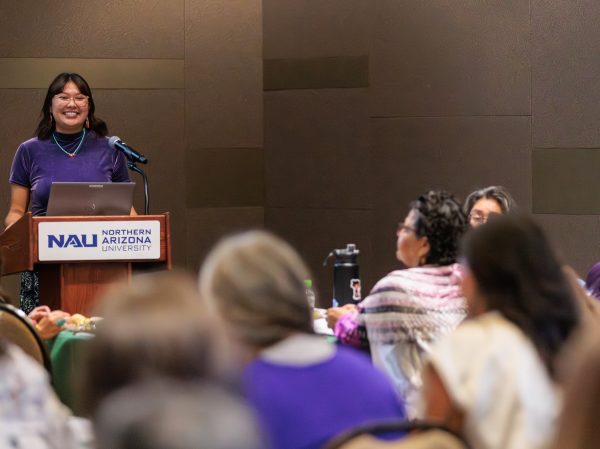
C-NACHE is currently honored to be working alongside five tribal communities and remains open to future collaborations to strengthen community-based cancer care and research partnerships.
Elevating the Next Generation Through NASWAC
NASWAC Program Co-Manager Jennifer Hudson, MPH, introduced the 2025 NASWAC program and shared an overview of the nine-month virtual mentorship experience. NASWAC Scholars were invited to reflect on the most impactful aspects of their participation so far.
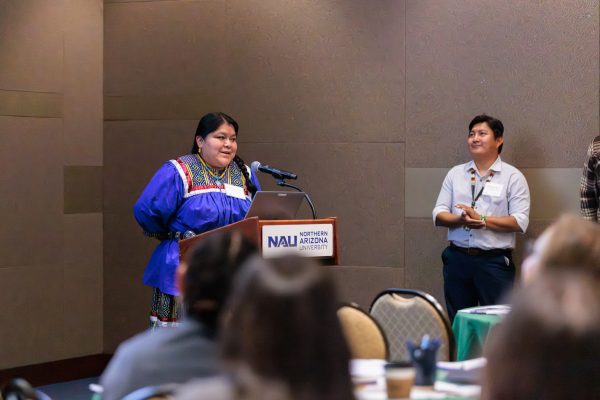
One scholar shared, “It is bigger than me, my family: it’s my community. I love the presenters of a diverse group, nice to hear Indigenous perspectives beyond the Navajo community.”
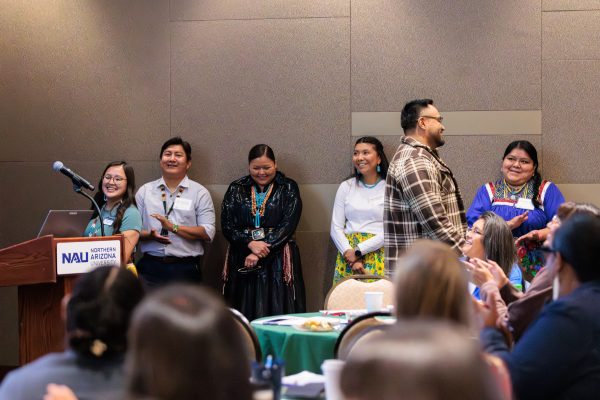
These reflections underscored the importance of creating space for Indigenous students to connect, learn, and uplift one another. C-NACHE looks forward to continuing this work and encourages readers to stay connected for information about the NASWAC 2026 program.
C-NACHE Research Project Highlights
Throughout the morning, C-NACHE’s American Cancer Society–funded research teams shared updates on their ongoing projects and community driven approaches.
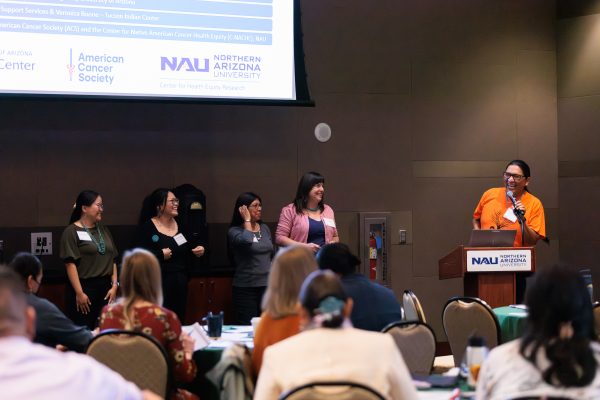
Drs. Darold Joseph and Julie Armin, and project team members presented on My Health My Choice, a project focused on improving breast and cervical cancer screening for Native American women with intellectual and developmental disabilities. Their work explores barriers and opportunities to expand access to culturally responsive screening and care.

Dr. Hendrik “Dirk” de Heer and Delvin Yazzie, MPH, shared findings from the Navajo Cancer Workgroup project, highlighting how epidemiological data can inform cancer prevention and early detection efforts across Navajo communities.

Dr. Jani Ingram and Tasha Nez presented updates on their project examining environmental exposure from legacy mining as a social determinant of health linked to kidney cancer in Western Navajo communities.
Together, these projects demonstrate the power of community centered research to advance prevention, early detection, and equitable cancer care.
Indian Health Service Updates: Cancer Care Closer to Home
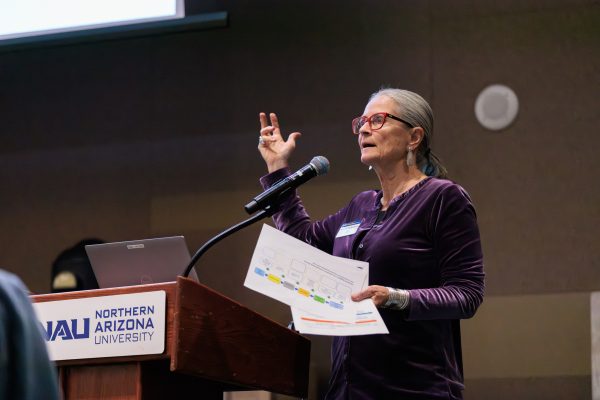
The morning concluded with a keynote presentation by Dr. Loretta Christensen, Chief Medical Officer of the Indian Health Service. Her presentation, Cancer Care Closer to Home, outlined IHS’s five-year Blueprint for Action to reduce cancer among American Indian and Alaska Native communities.

Dr. Christensen emphasized earlier diagnosis, improved access, and care rooted in holistic, culturally grounded approaches so no one has to walk their cancer journey alone. C-NACHE was deeply honored to host Dr. Christensen and appreciates her commitment to sharing these important updates with forum participants.
Honoring Community Advisory Board Leadership
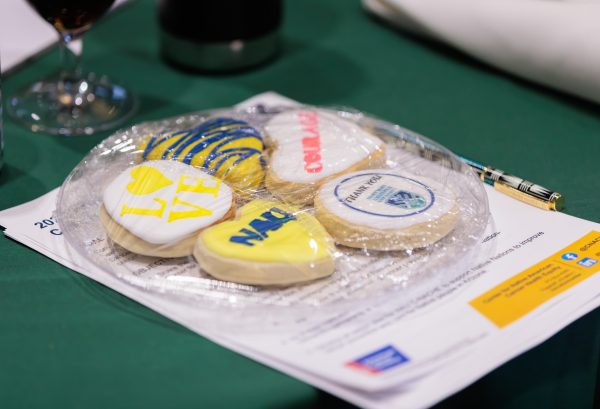
Before transitioning into afternoon activities, C-NACHE Community Advisory Board (CAB) Coordinator Carol Goldtooth, MPH, recognized CAB members for their leadership, guidance, and dedication throughout the past year. Each member received a small token of appreciation in recognition of their invaluable contributions.

Carol also took time to honor Dr. Christensen and her team for their partnership and commitment to improving health and wellness for Native people nationwide. C-NACHE remains deeply grateful for the strength and wisdom of its tribal partners, leaders, and advocates.
A Powerful Lunchtime Reflection
During lunch, attendees viewed the American Cancer Society Documentary Real Lives – Cancer Stories of Indigenous People, featuring Dr. Darold Joseph, C-NACHE Principal Investigator and Associate Professor in the Department of Educational Specialties.

Watching the documentary together was a powerful and collective experience. Participants reflected on several key takeaways: cancer care is a shared responsibility; historical trauma continues to shape experiences, while storytelling fosters healing and hope; and true nation building recognizes the interconnectedness of education, healthcare, and community.
Above all, the film reminded us that we can be the ancestors we want to be for future generations by honoring identity, strengthening cultural foundations, and supporting one another in the fight against cancer.
Afternoon Dialogue and Collective Visioning
The afternoon focused on facilitated breakout discussions led by C-NACHE team members and 2025 NASWAC cohort members. Discussions began with a brief overview of upstream and downstream public health concepts and the cancer prevention and care continuum.
Participants then used a guided worksheet to identify cancer care assets and challenges within their communities. Conversations at each table reflected diverse experiences and highlighted where strengths and gaps exist along the continuum. This shared analysis helped clarify opportunities for collective action and meaningful collaboration.
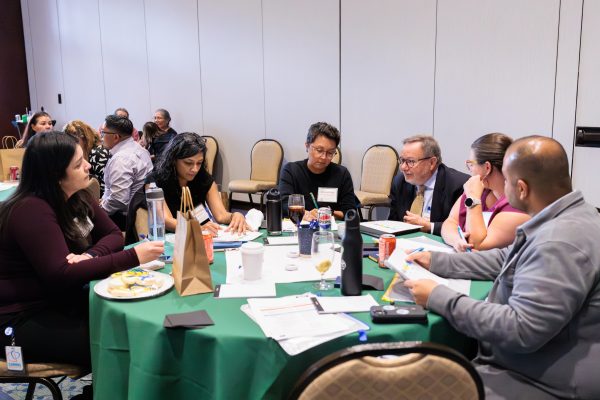
Recommendations for C-NACHE’s future work included increasing student involvement, expanding CAB membership and engagement, extending impact beyond research dissemination, improving access to cancer data, elevating cancer priorities within the Arizona Advisory Council on Indian Health Care, and increasing cancer treatment options in the Southwest.
Key Takeaways and Looking Ahead
As the third annual AICHEF, this gathering reaffirmed C-NACHE’s commitment to creating space for researchers, healthcare professionals, tribal leaders, and advocates to come together in pursuit of cancer health equity. The conversations reinforced that meaningful progress requires big picture thinking, sustained partnerships, and collective action.
As C-NACHE enters the final year of its ACS funded grant, the forum also served as a critical opportunity to listen, reflect, and be strategic about next steps. Centering the voices of those most impacted by cancer will continue to guide future efforts.
Closing
C-NACHE looks forward to building on the recommendations shared at this year’s forum and continuing this important work alongside tribal communities and partners. We invite you to stay connected as we move into our final grant year and begin planning the fourth and final AICHEF in fall 2026. Together, we remain committed to advancing cancer health equity for Native people now and for generations to come.