
Q + A with new Dental Hygiene Department Chair Chad Webb
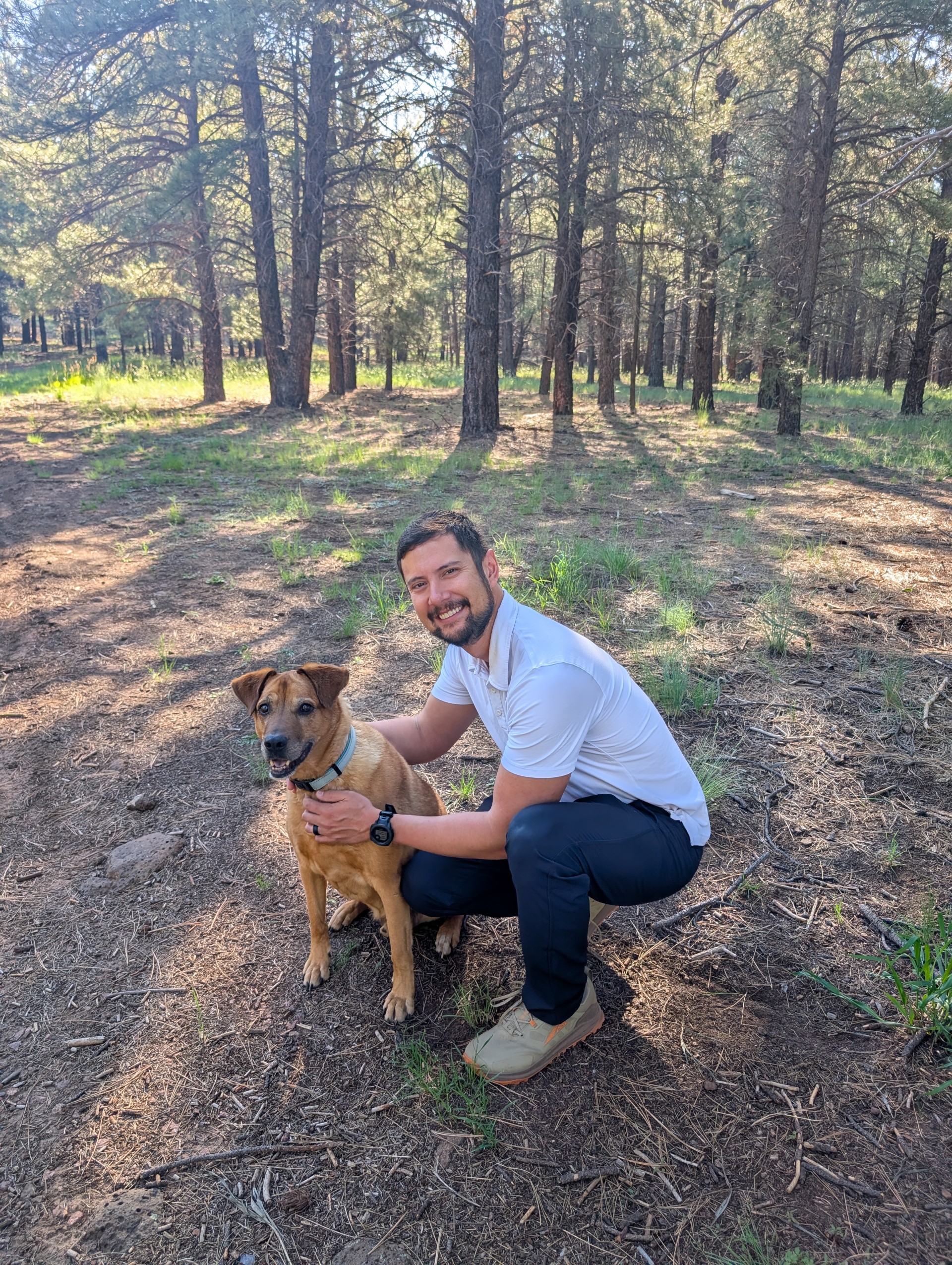
This summer, NAU’s College of Health and Human Services welcomed the new Chair of the Department of Dental Hygiene, Chad Webb. We sat down with him to hear his goals for the program, advice for future dental hygienists, and his career from the clinic to the classroom.
As the new chair of NAU’s Dental Hygiene program, what excites you most about this opportunity, and what are your goals for the program moving forward?
I am excited and honored to lead this team into the future, with a focus on student success and community engagement. My goals include supporting program elements that foster career readiness among our student hygienists and increasing our impact in the communities that need us most.
You’ve worked everywhere from the dental industry itself to teaching it at a university level. What experiences along that journey have most shaped your approach as an educator at NAU?
Working as a dental hygienist and an educator for the last 13 years, I’ve often been a student as well. I have learned a great deal of course content and objectives by completing my master’s degree in 2015 and am currently pursuing a PhD. While that knowledge is important, my experience as a student has most shaped my approach as an educator at NAU. That experience has taught me what works well, what doesn’t work so well, how to interact with different types of learners, which types of assignments are most impactful, and so on. Being a lifelong learner has helped me become a lifelong improver.
What do you wish more people knew about the dental hygiene program and the impact it has on patient care?
This wish is twofold. First, I wish more people knew about the scientific rigor, meticulous attention to detail, and wealth of healthcare knowledge students gain in the dental hygiene program. These graduates enter the workforce ready to make an impact on the profession and on their patients. Second, I wish more people locally knew about our dental hygiene clinic. These low-cost services provide access to preventive and diagnostic dental care and give our students vital opportunities to develop professional skills and connect with the community. This clinic is the lifeblood of the dental hygiene program.
How do you see the dental hygiene profession changing over the next decade, and how is NAU preparing its students for that future?
The dental hygiene profession has evolved since its inception in the early 1900s. With many opportunities for positive change on the horizon, integrated care appears most promising. Integrated care is a healthcare model that systematically coordinates care among oral health professionals, primary medical care, specialists, behavioral health, and social services. This approach treats the patient as a whole rather than as isolated parts, offering many benefits. The College of Health and Human Services is preparing dental hygiene students for this future by expanding interprofessional education opportunities that promote team dynamics, shared learning, and integrated care.
What advice would you give to students who are considering dental hygiene as a future career and study?
Dental hygiene is a rewarding career and a challenging undergraduate major. It is ideal for those who excel at communicating with others, have strong organizational skills, pay close attention to detail, and can work with tiny instruments in a small area. My advice to students considering the dental hygiene program has three main prongs. First, success in the prerequisite sciences (chemistry, biology, anatomy & physiology) is crucial and has been a strong predictor of success as a dental hygiene student. Second, you can get a jump-start on developing technical hand skills by picking up a hobby that requires repetitive small movements, such as crochet, knitting, beading, jewelry making, drawing, or playing a musical instrument. Once you get good at one of these activities, try doing them in a mirror (you’ll thank me later). Lastly, if you have the opportunity to work in a dental office, especially as a dental assistant, you can get a very helpful head start in multiple aspects of the profession. At the very least, shadowing a dental hygienist will help you gain insight into the career and decide about your future.
Throughout your career, what has remained the most rewarding thing about dental hygiene?
The most rewarding aspect of my dental hygiene career is empowering patients through oral health education. When people can contribute to their overall health through proper oral hygiene and understand the value of preventive care, it is truly transformative. Training students to prioritize patient education and to become oral health educators as part of their role as dental hygienists lays the foundation for a deeply impactful career.