Playtesting Adaptive Health Technologies with Hozhoni Foundation
The Center for Community Health and Engaged Research at Northern Arizona University is celebrating the success of a first-of-its-kind Gameorama community event hosted by the Playful Health Technology Lab, where local community members gathered to explore adaptive and playful health technologies designed by student researchers.
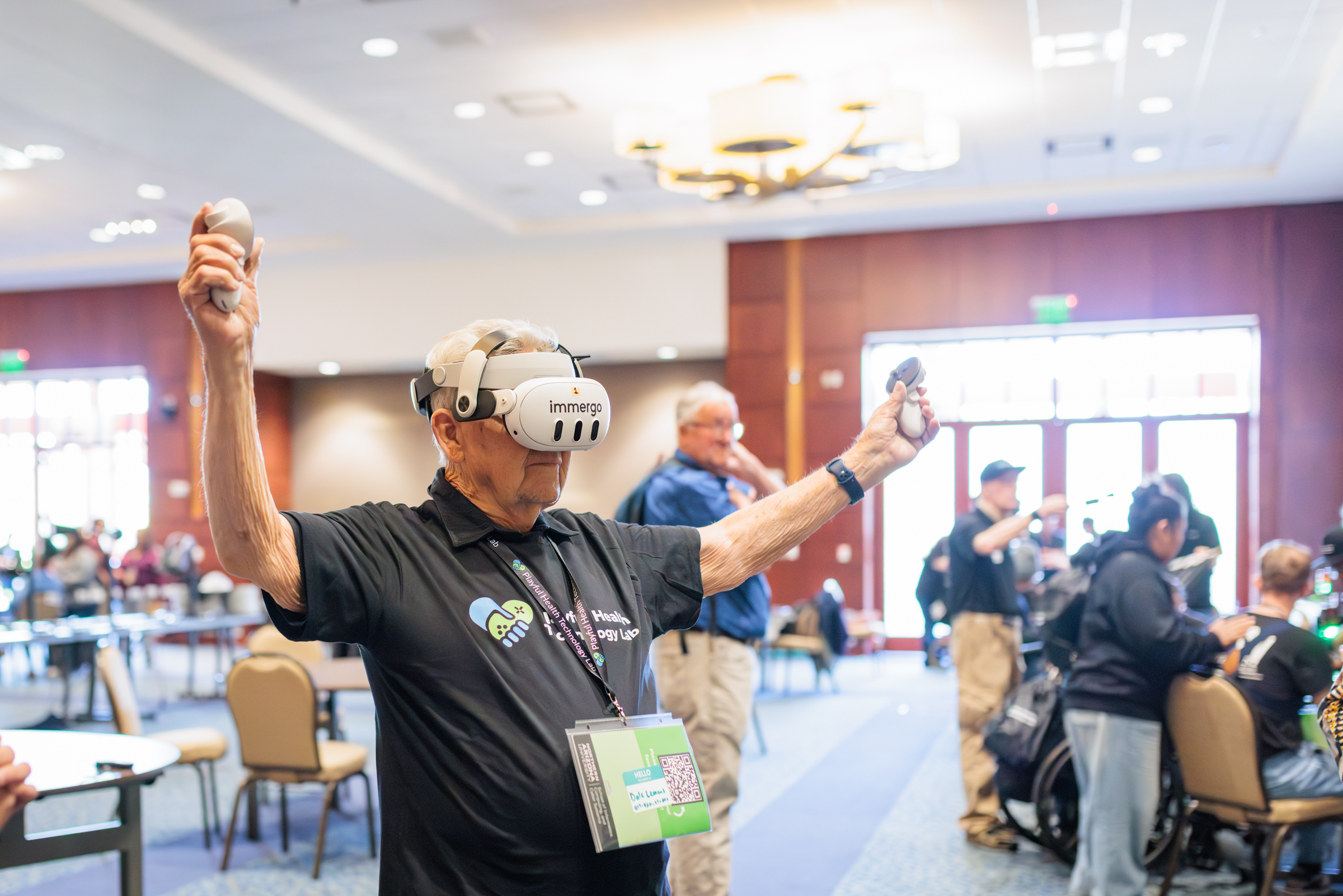
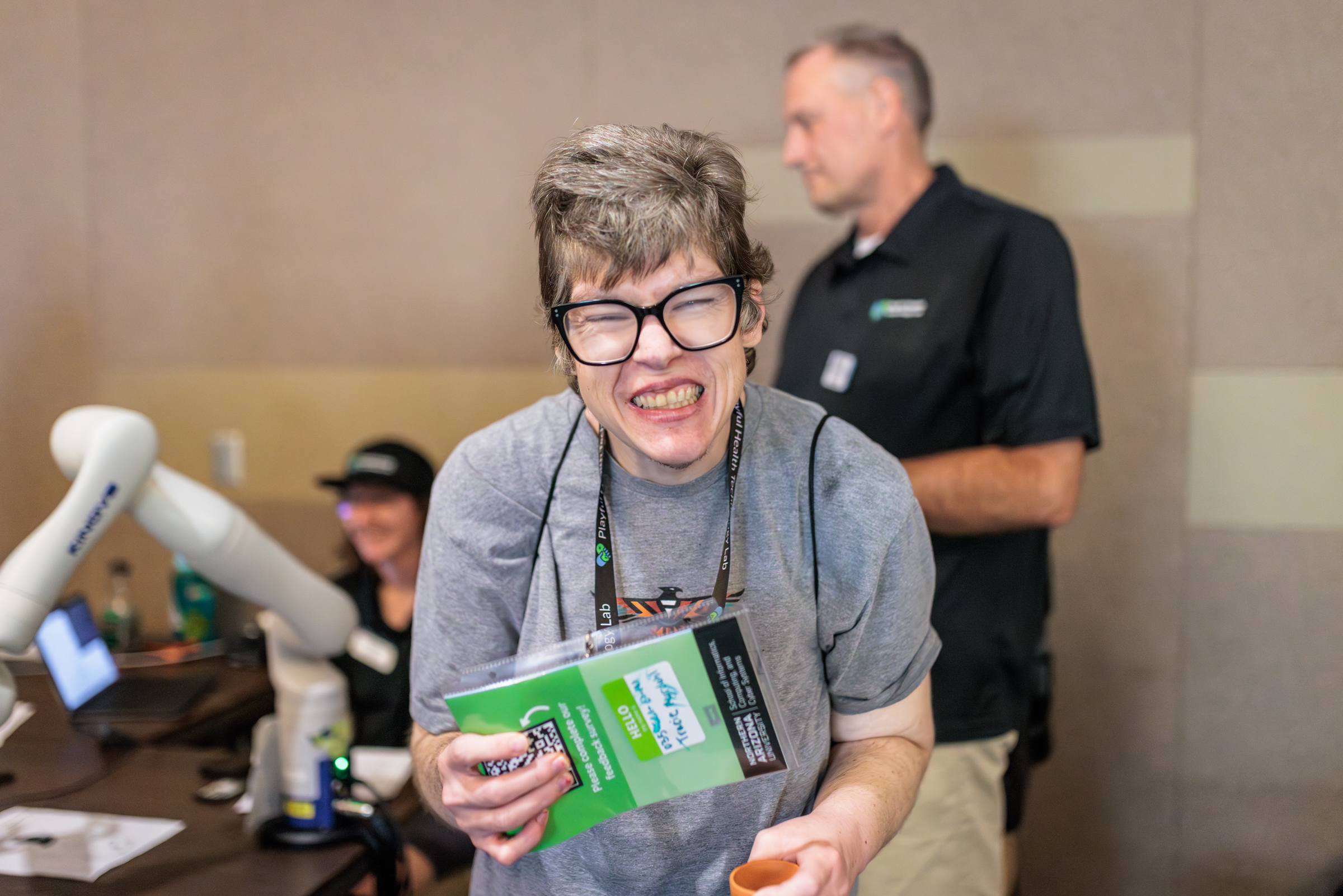
Held May 12 at the High Country Conference Center, the inaugural event welcomed approximately 115 clients and staff members from Hozhoni Foundation, a local disability service provider, for a day centered on accessibility, creativity, and inclusive technology design.
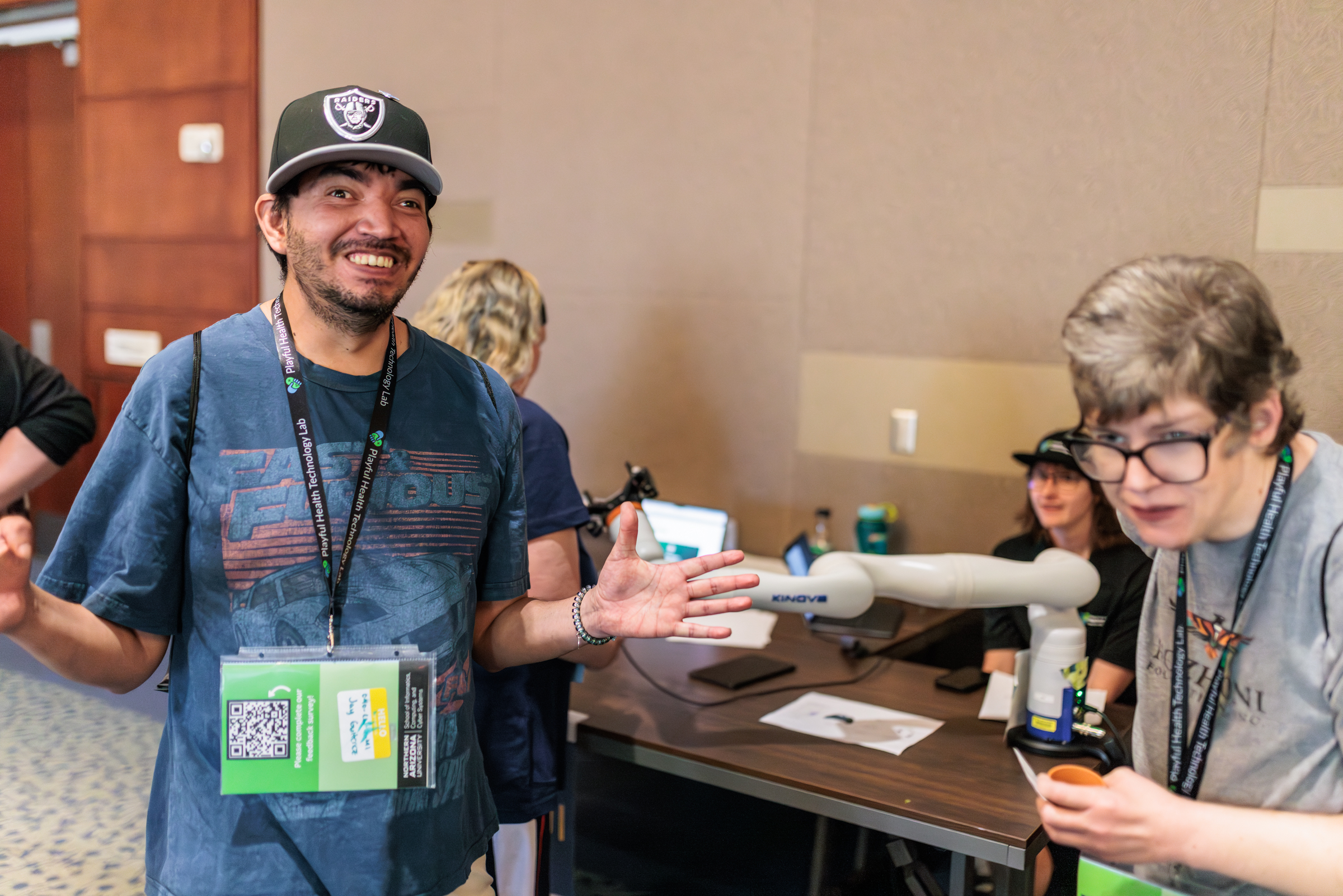
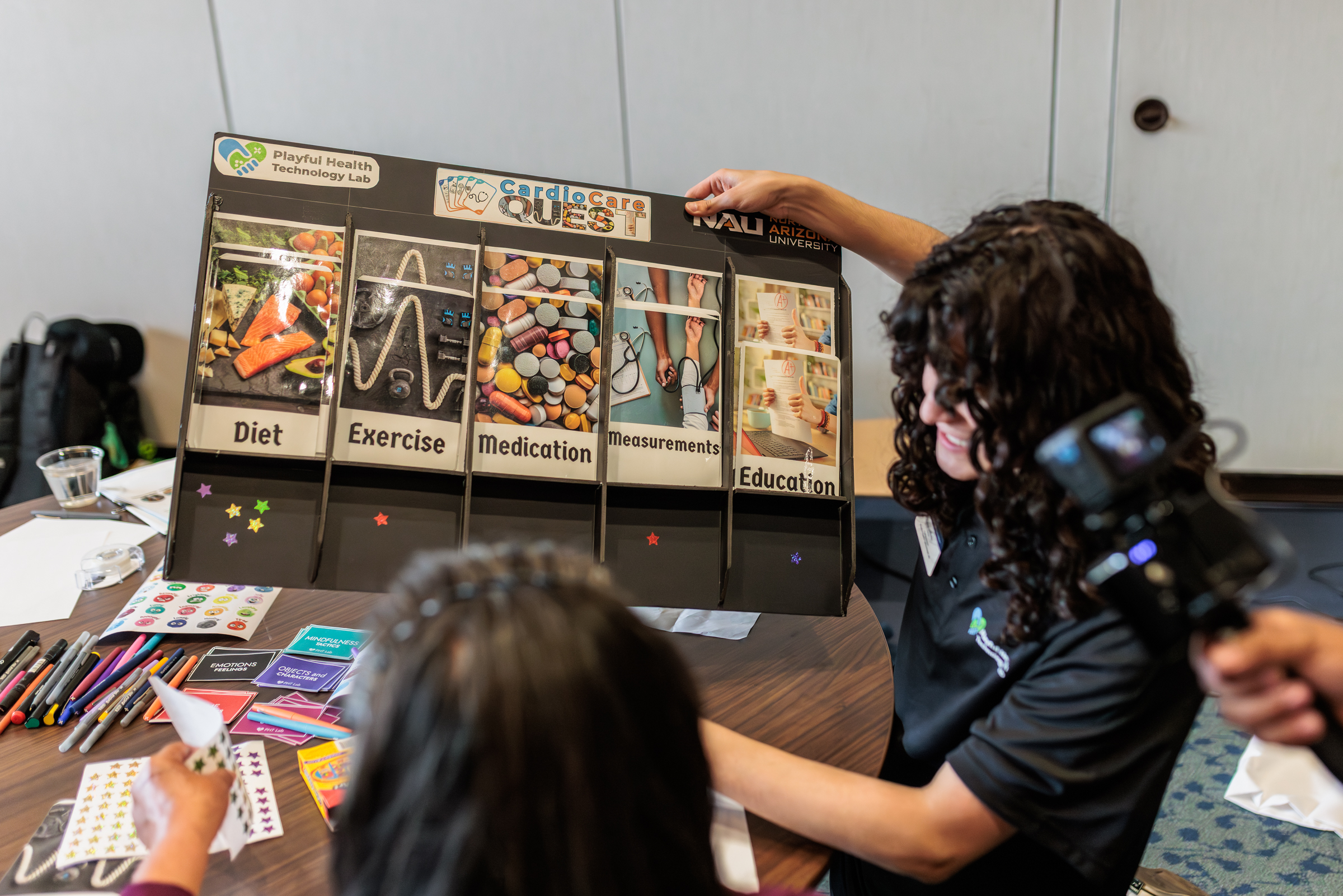
The event showcased interactive demos and prototypes developed through the lab’s interdisciplinary research initiatives, including SpokeIt, CardioCare Quest, Project Sunrise, NetGauge, Robomoji, Immergo, and AutMotion Studio. Participants were invited to test technologies, provide feedback, and engage directly with student developers and researchers.
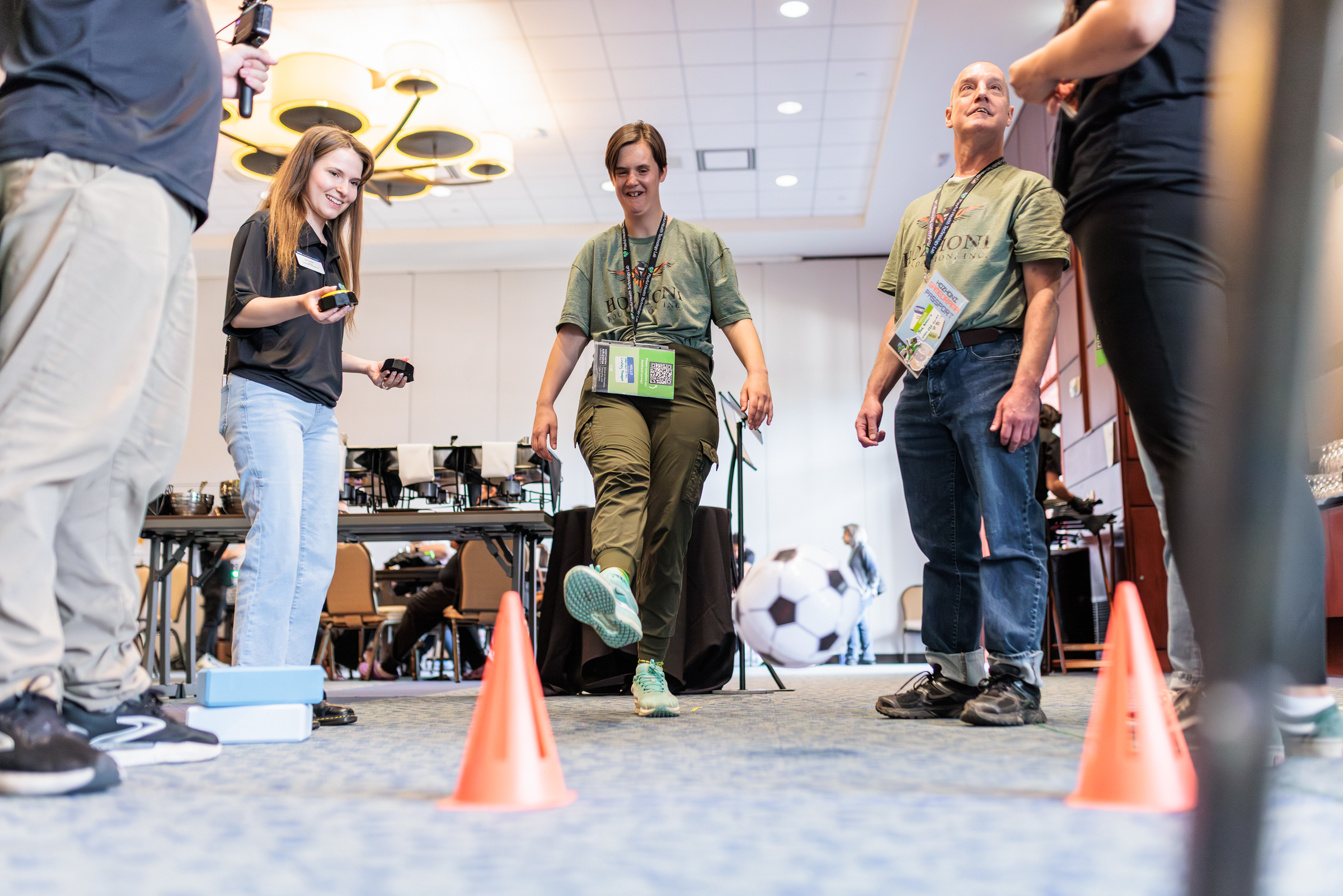
The Playful Health Technology Lab is an interdisciplinary research group focused on designing and studying human-computer interaction technologies that improve health and wellness outcomes among underserved communities and people with disabilities. The lab’s work combines accessibility research, serious games for health, assistive technology, and community-engaged design practices.
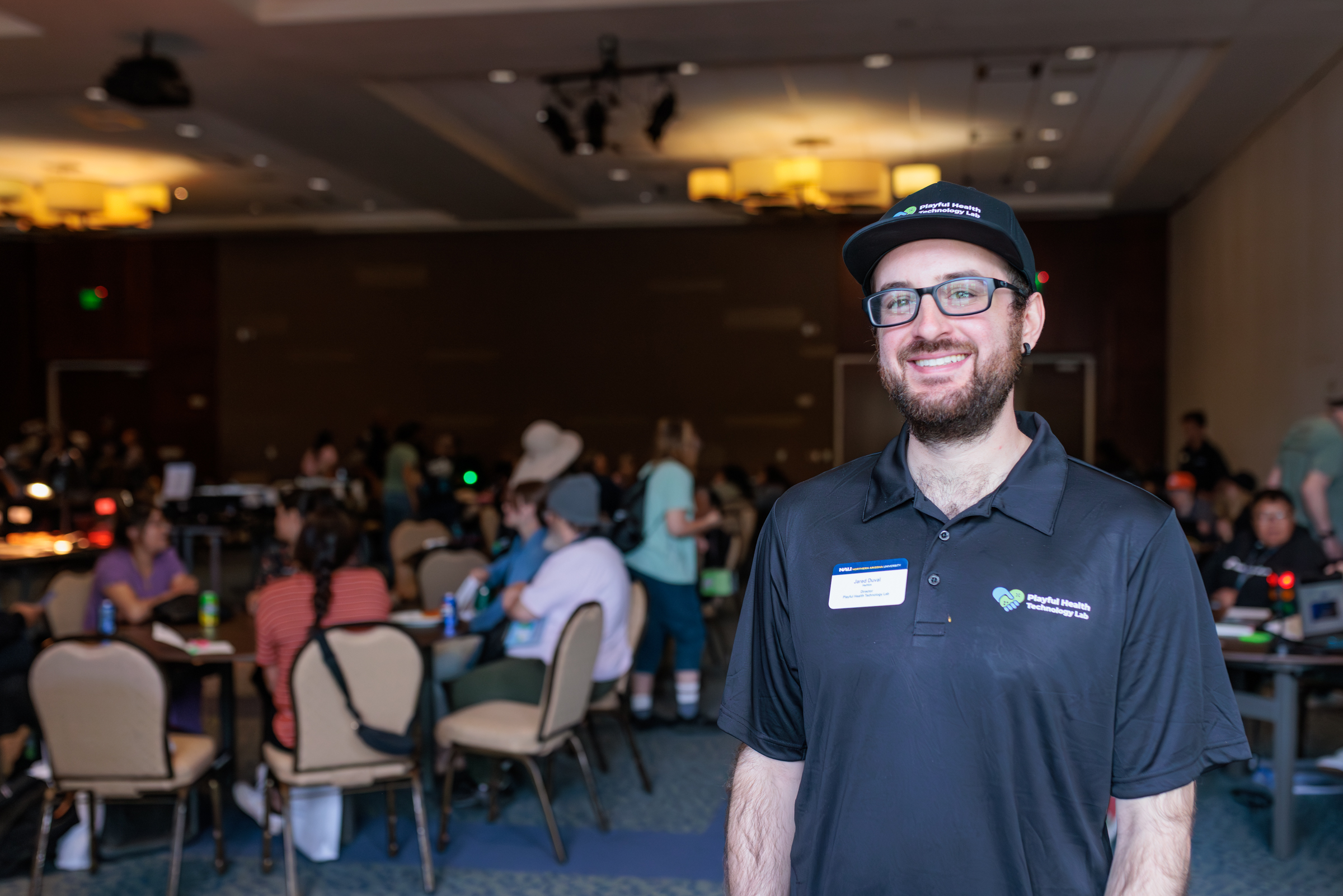
Jared Duval, director of the Playful Health Technology Lab and assistant professor in NAU’s School of Informatics, Computing, and Cyber Systems discussed his hope for the outcomes of their community event.
“Our goal is to build reciprocal and enduring community partnerships that together can make improving health more joyful, accessible, affordable, connected, and scalable,” said Duval.
In collaboration with Duval, Morgan Vigil-Hayes, Associate Professor at Michigan State University, leads the National Science Foundation funded project NetGauge Games, one of the projects demonstrated at the event.
NetGauge uses community-designed location-based games to promote mobile crowd sensing for civic good. The project currently focuses on helping participants collect measurements about cellular Internet performance to inform where there is a need for new Internet infrastructure. During the event, Vigil-Hayes and her PhD student Shelby Hagemann engaged with participants to learn how their games can provide serious benefits to people with disabilities, such as promoting exercise and interactive, imaginative play.
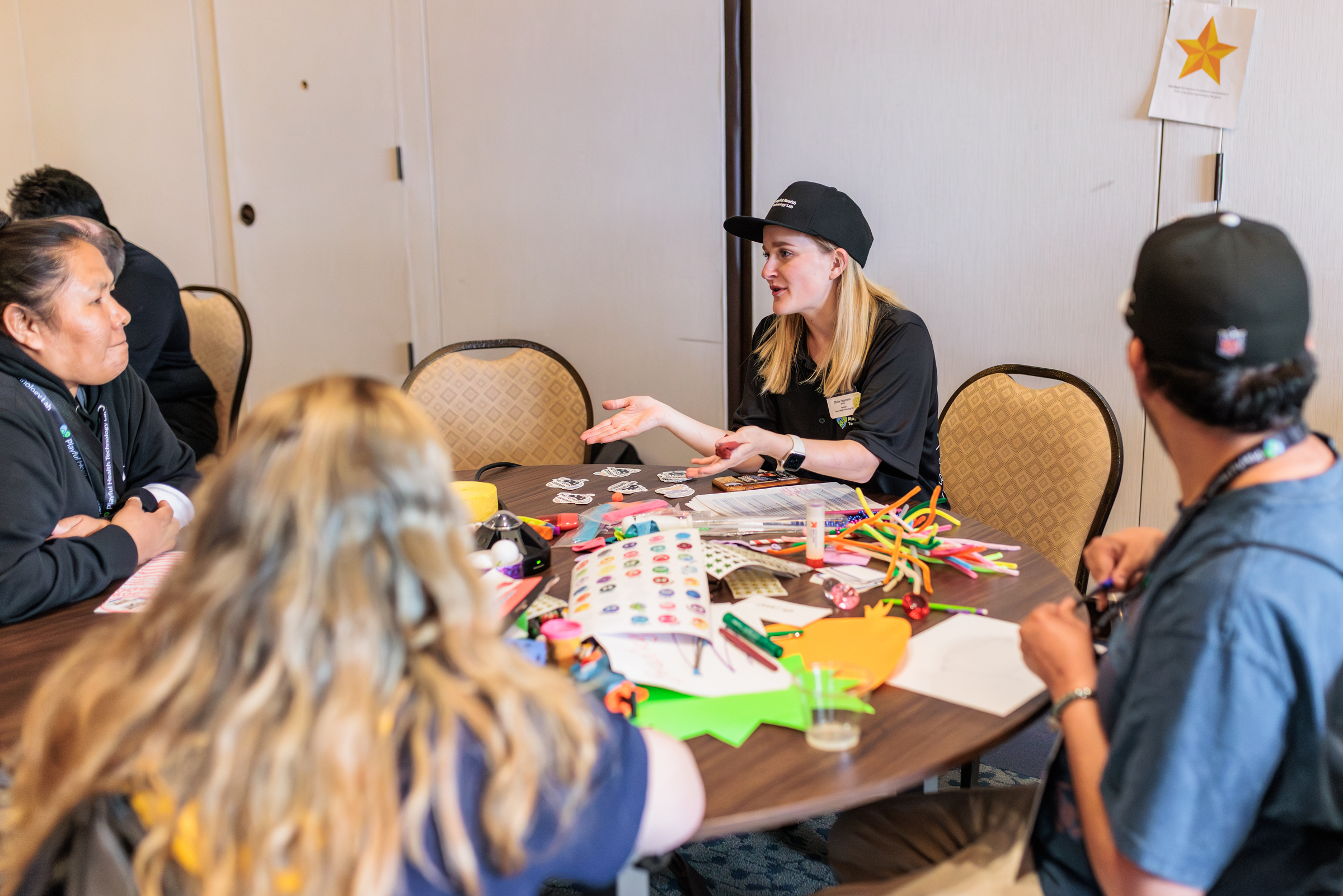
The team was able to start answering questions about how to create civic data collection initiatives that are inclusive of people who are often not represented in these types of efforts. Aside from the opportunity to improve their project, Vigil-Hayes noted the ambiance of the event.
“[It] radiated joy,” she shared. “Students, participants from Hozhoni, caretakers, faculty, and volunteers were smiling and laughing the whole day. I’m thankful for Hozhoni leadership and clients for taking the time to join us!”
Many of the technologies presented during the event were refined during the lab’s recent research retreat held May 1–3 at NAU’s Hat Ranch , a 300-acre scenic property nestled in the pines of Williams, Arizona.
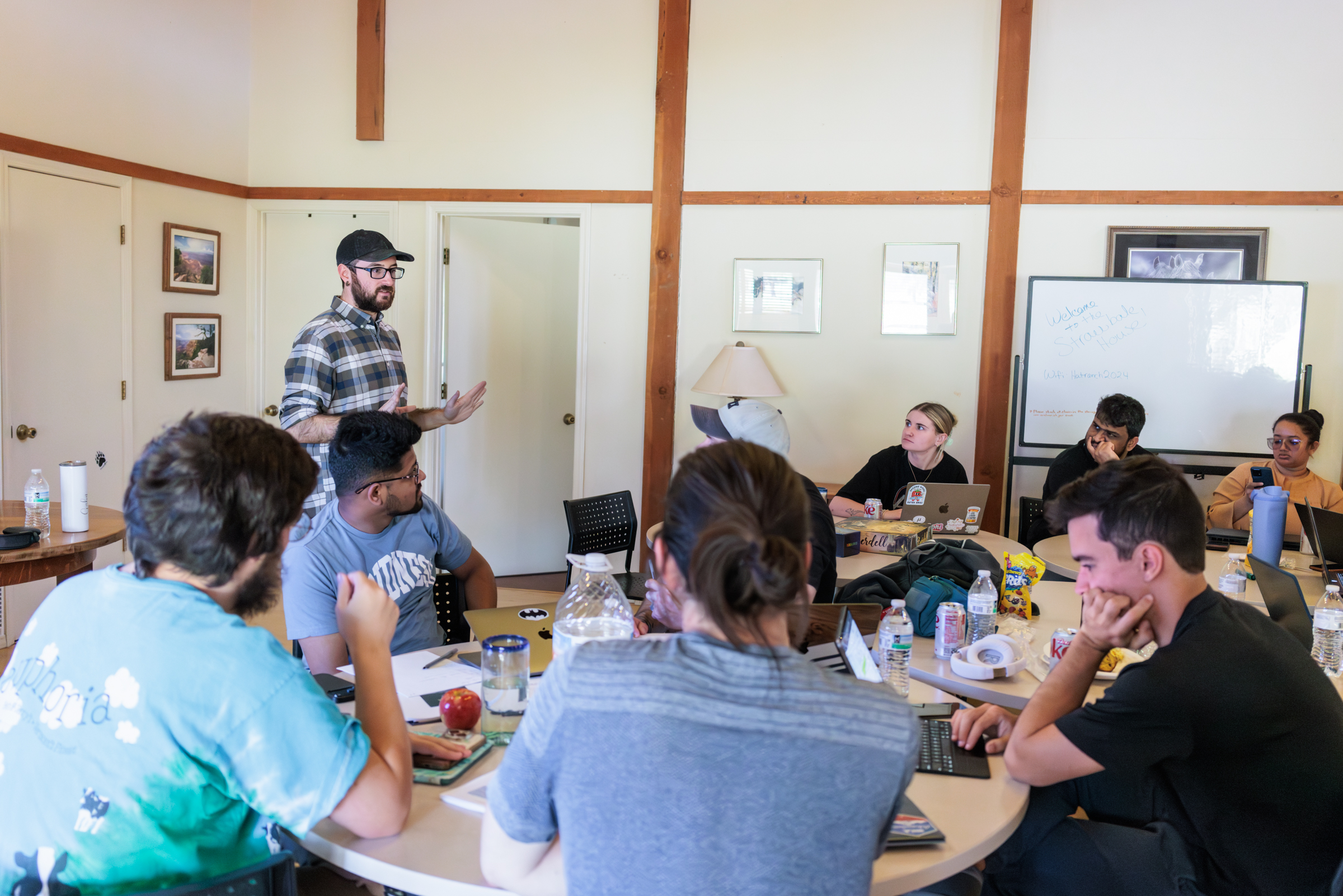
The retreat provided student researchers and collaborators opportunities to polish manuscript drafts, pilot game demos, finalize playtesting and workshop protocols, and receive training on conducting research with disabled and Indigenous populations. The gathering also emphasized community-building through shared meals, collaborative design sessions, and group activities.
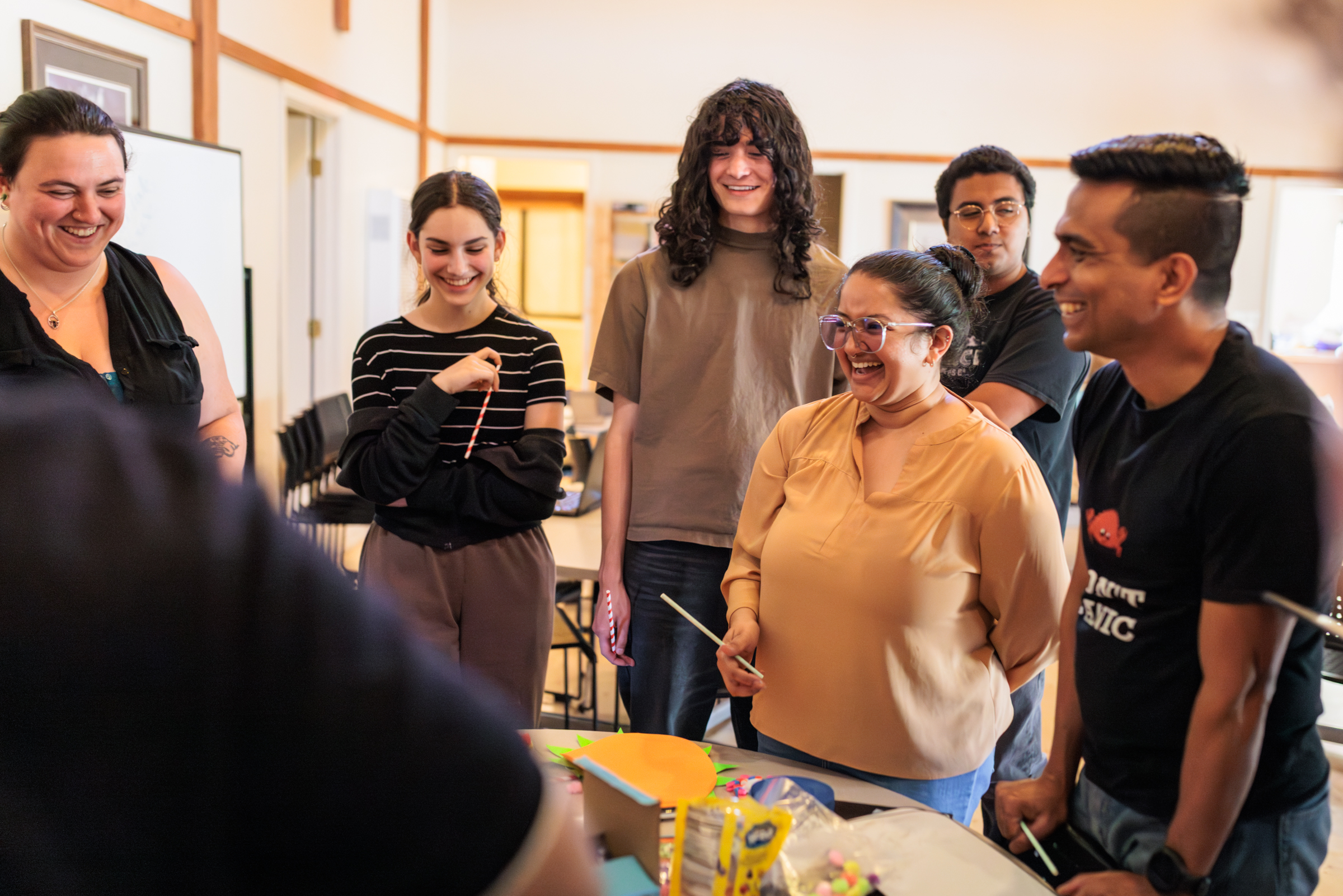
The event reflects the lab’s broader mission to center play, accessibility, and collaboration in health technology development while strengthening partnerships between researchers and Northern Arizona communities. Student researchers guided participants through hands-on experiences with adaptive technologies designed to support communication, mobility, rehabilitation, health education, and digital inclusion.
Recent projects from the lab have focused on speech therapy tools, autism interventions, rural broadband access, and culturally responsive health technologies for Indigenous communities.
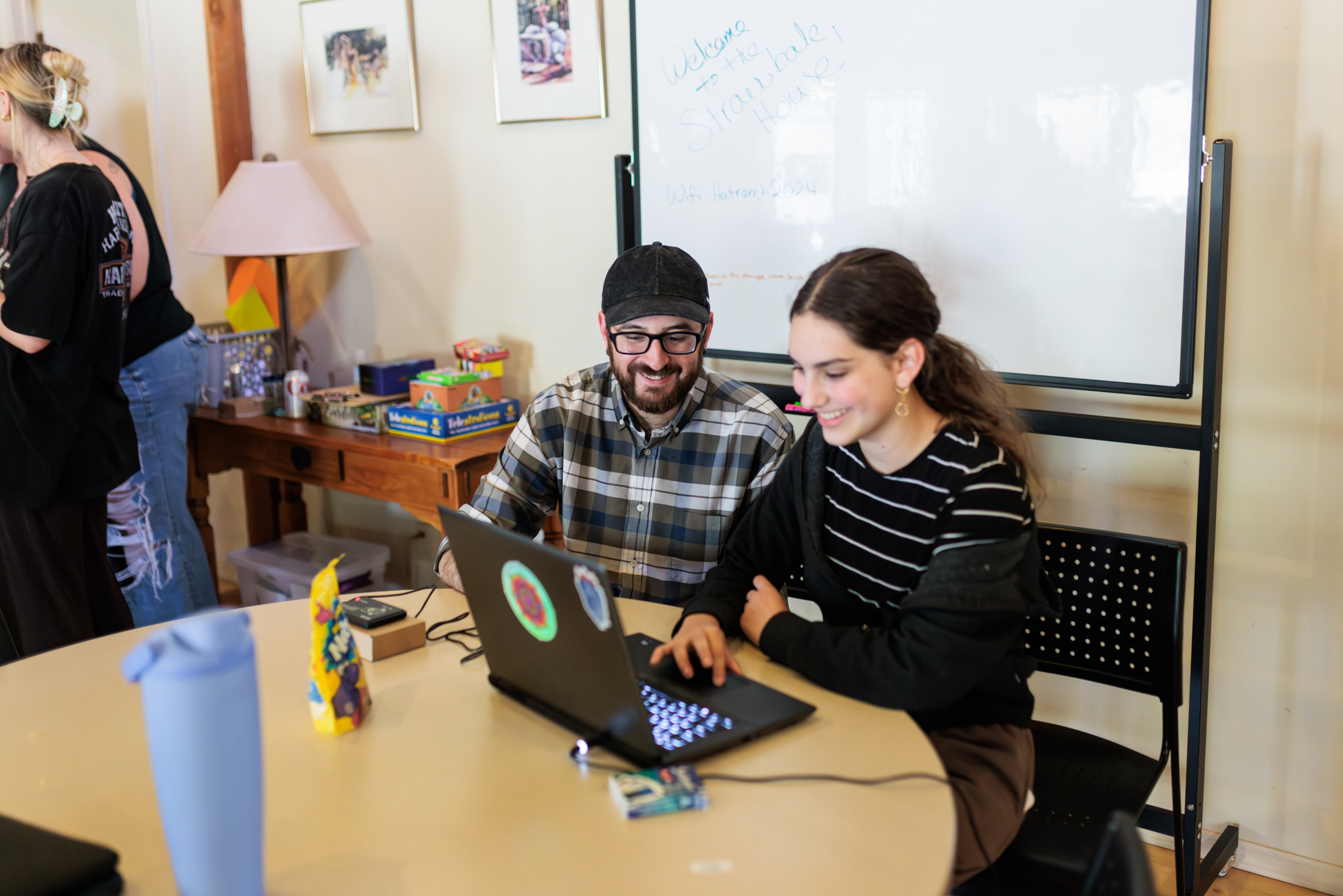
The Playful Health Technology Lab is supported in part through collaborations with the Southwest Health Engagement and Research Collaborative (SHERC) and the Flinn Foundation and continues to expand opportunities for undergraduate and graduate students to engage in community-driven research.
For more information about the Playful Health Technology Lab and ongoing projects, visit PHT Lab Research Projects.
To view more images from the GAMEORAMA, visit our CHER Flickr.