When I grow up… | Jennifer Hudson, Public Health
In honor of NAU’s College of Health and Human Services’ third annual Health Careers Week, we invited our alumni to think back to their childhood to answer the question: What did you want to be when you grew up? Today, they serve patients, communities, and the broader health system in impactful ways. Read on to learn how Jennifer found her passion for public health.
When you were little, what did you want to be when you grew up? Why did that career interest you at the time?
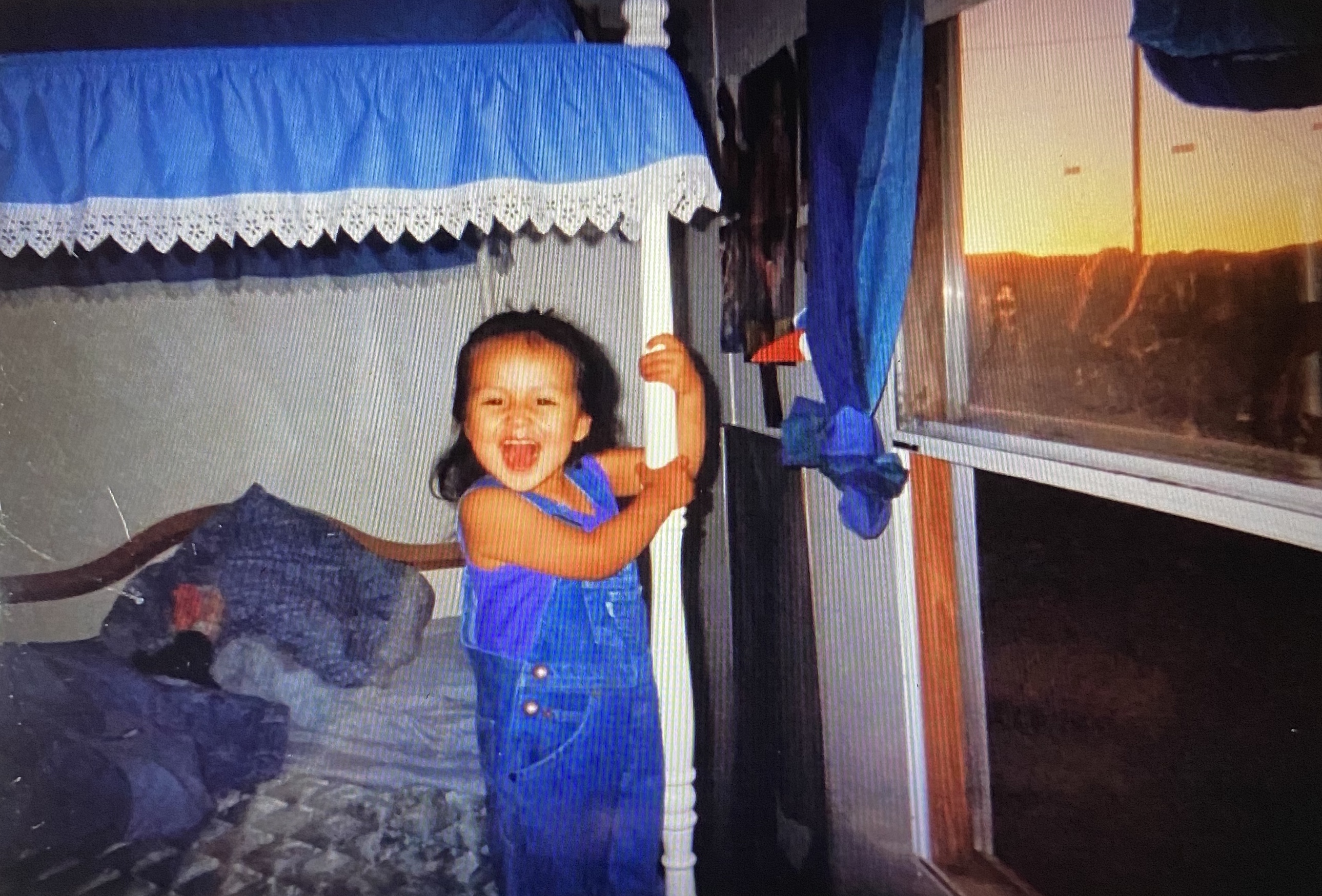
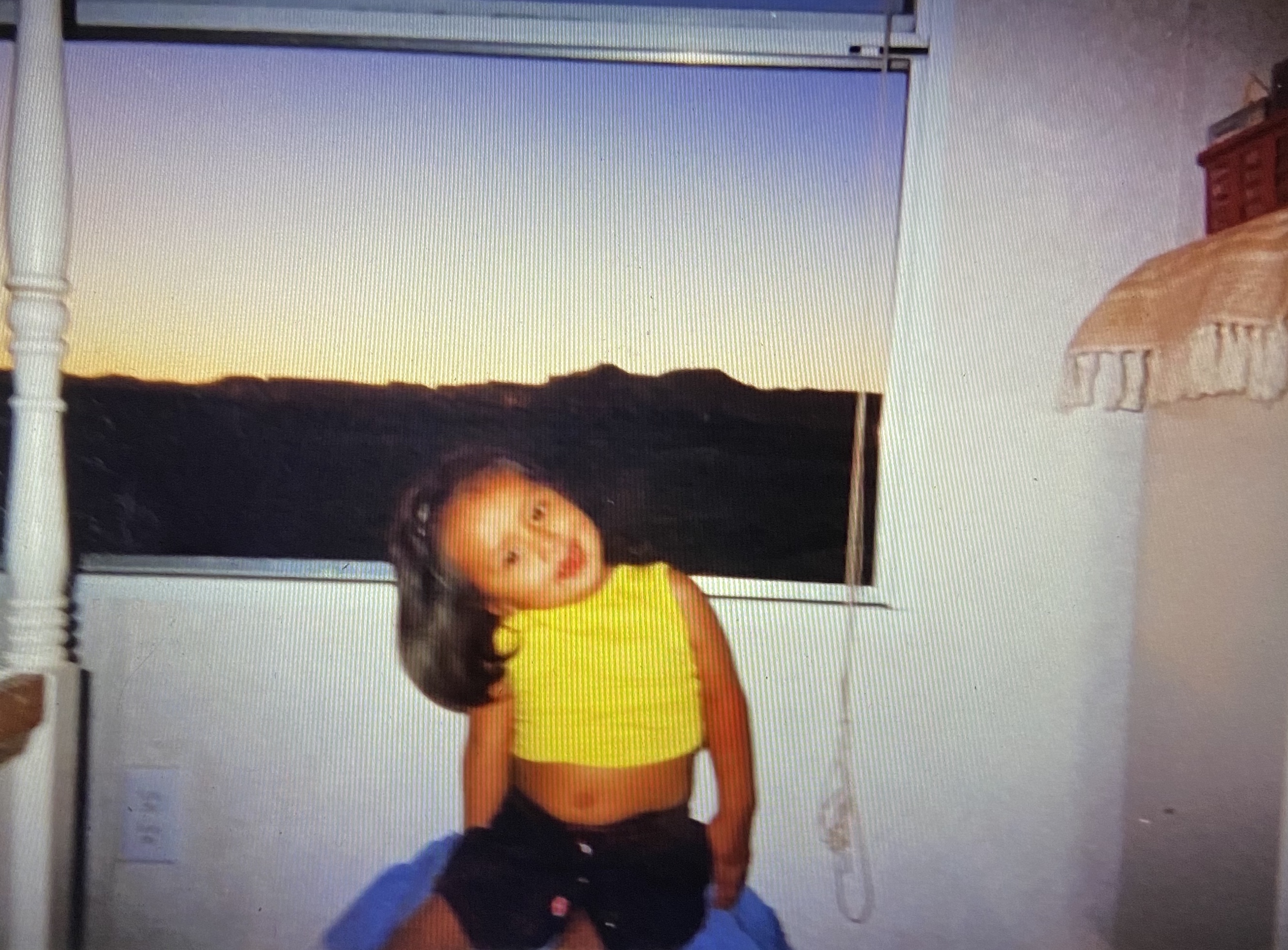
When I was little, I wanted to be a professional baker and own my very own bakery. This dream was partly inspired by my obsession with baking shows like Cupcake Wars and Cake Boss. I loved watching the bakers transform delicious cupcakes and cakes into creative sculptures and designs. It looked like so much fun, and I thought it would be amazing to have a job that never felt like work because you loved it so much.
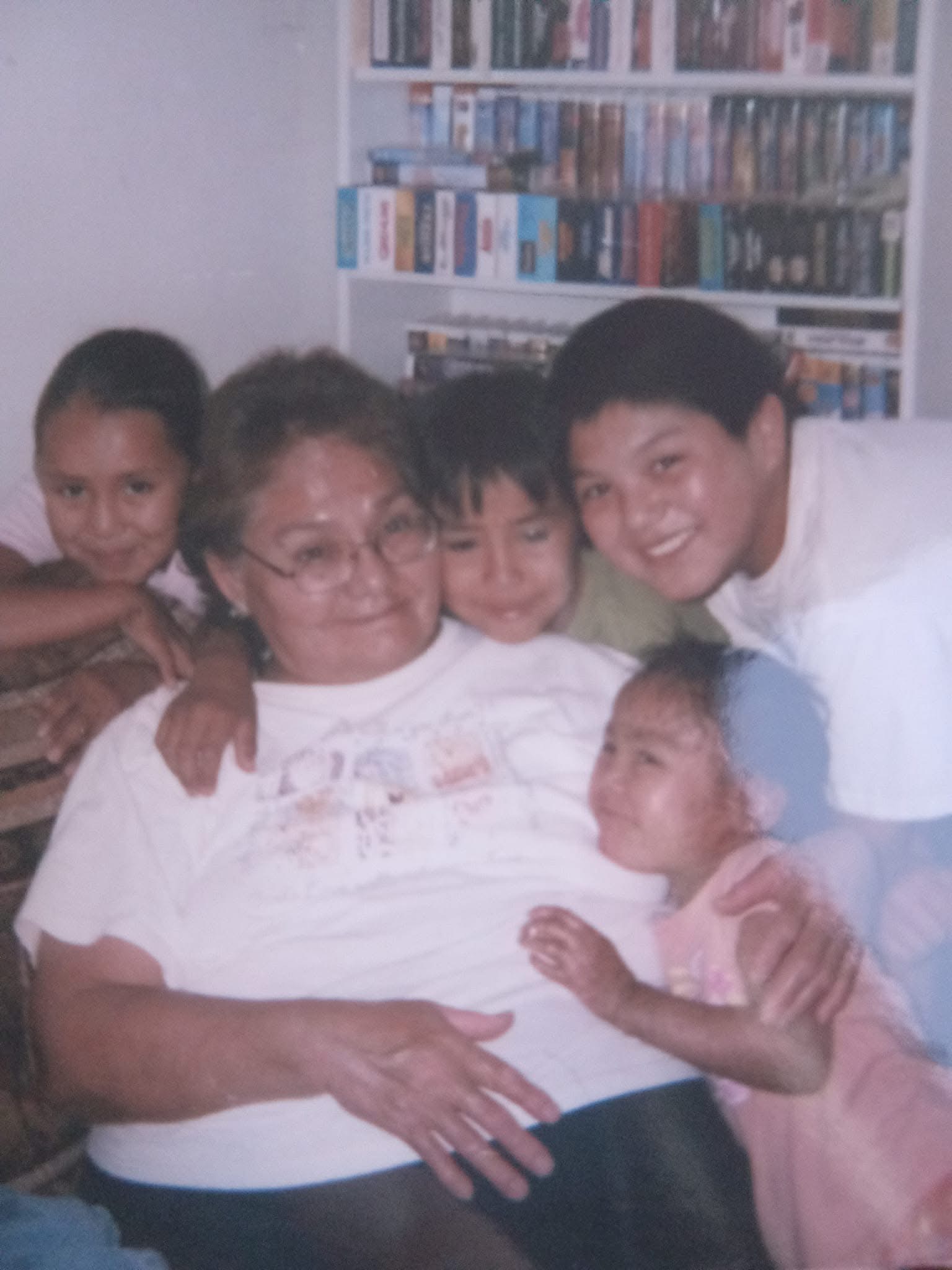
A lot of that interest also came from my grandma. She was a baker herself and always made custom birthday cakes for all of us grandkids. She also worked at our local donut and deli shop where she made many different types of donuts and baked goods. My grandma was one of the sweetest people I have ever known, and she was always so happy. As a kid, I figured that making sweet treats for people must be the key to that happiness. Of course, I was only eight years old, so I probably just wanted to spend as much time with my grandma as I could.
What led you to your current career?
During my undergraduate years, my grandma was diagnosed with cancer. I remember feeling helpless because I was just beginning my academic journey and did not yet have the knowledge or experience to help in any meaningful way. I had originally planned to pursue a career as a doctor or something similar in the medical field. However, as my grandma went through her diagnosis and other family members began facing chronic diseases, I realized I wanted to focus on preventing these diseases in the first place. That realization led me to the field of public health.
Public health helped me make sense of the helplessness I was feeling. It showed me that there are many ways to address disease beyond treatment alone. Soon after, I had the opportunity to complete an internship with the Partnership for Native American Cancer Prevention, which sparked my passion for cancer research. The field felt both new and incredibly vast to me, but it also gave me hope. For the first time, I felt like there were meaningful ways I could contribute and potentially help people like my grandma.
Later, I participated in the Northwest Portland Area Indian Health Board’s Tribal Researcher Cancer Control Fellowship, where I gained even more experience in cancer research, particularly in projects focused on tribal communities. Unfortunately, around the time I began my Master of Public Health program at Northern Arizona University, my grandma’s battle with cancer came to an end. Continuing my studies was difficult, but I knew it was something she believed in and wanted me to complete.
When I graduated in spring 2023, I was fortunate to have built strong connections during my time at NAU. Those relationships helped lead me to my current role as Senior Community Program Coordinator with the American Cancer Society funded Center for Native American Cancer Health Equity.
What do you love most about what you do now?
At the Center for Native American Cancer Health Equity (C NACHE), our work focuses on reducing the unequal burden of cancer among tribal communities in Arizona. We approach this goal through many different activities.
Our team shares cancer information through multimedia efforts, hosts an annual intertribal cancer health equity forum that brings together key stakeholders, coordinates a quarterly webinar series highlighting cancer research in the Four Corners region, and facilitates a virtual mentorship program for Native American students interested in cancer related careers. We also conduct tribe specific community assessments to better understand cancer burden and care services, as well as research projects focused on priority areas identified by tribal communities.
What I love most about my work is seeing how many different pathways exist to advance cancer health equity. It is inspiring to be part of a team working toward meaningful and lasting change. I often think about how proud my grandma would be to see the work I am doing now. It also brings me comfort to think that through this work, maybe other little girls will not have to lose their grandmas so soon.
What advice would you give your younger self about choosing a career?
As much as I love the field I chose and believe I am exactly where I am meant to be, I would encourage my younger self to explore as many different experiences as possible and not be afraid to change directions along the way.
Your career should be something that brings you joy and meaning, but it can take time to discover what that looks like. It is okay if your interests evolve or if your goals change over time – that’s just a natural part of growing as a person.
It might sound a little cliché, but we really do only live once. I believe that time should be spent pursuing work that supports both happiness and health and from a public health perspective, I can confidently say that our environments have a major impact on our well-being, so it is important to choose one that supports you.
What part of your job would younger you think is cool?
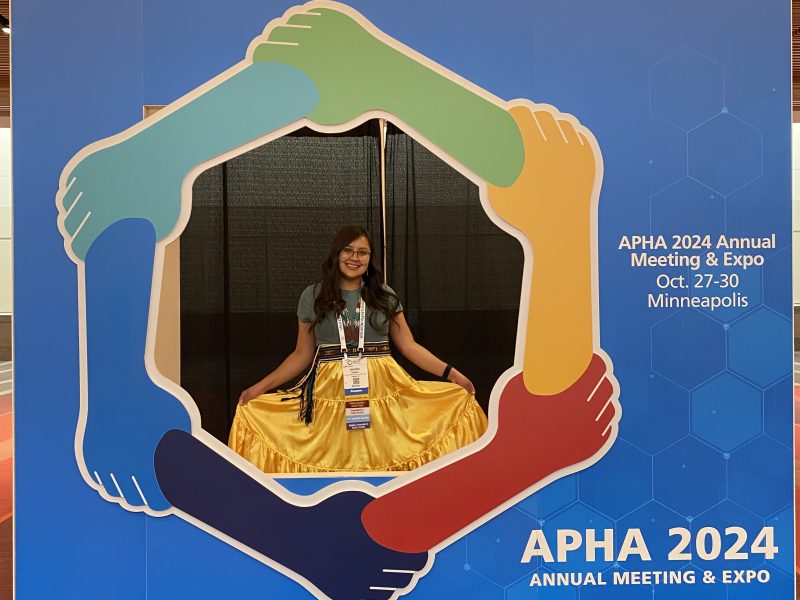
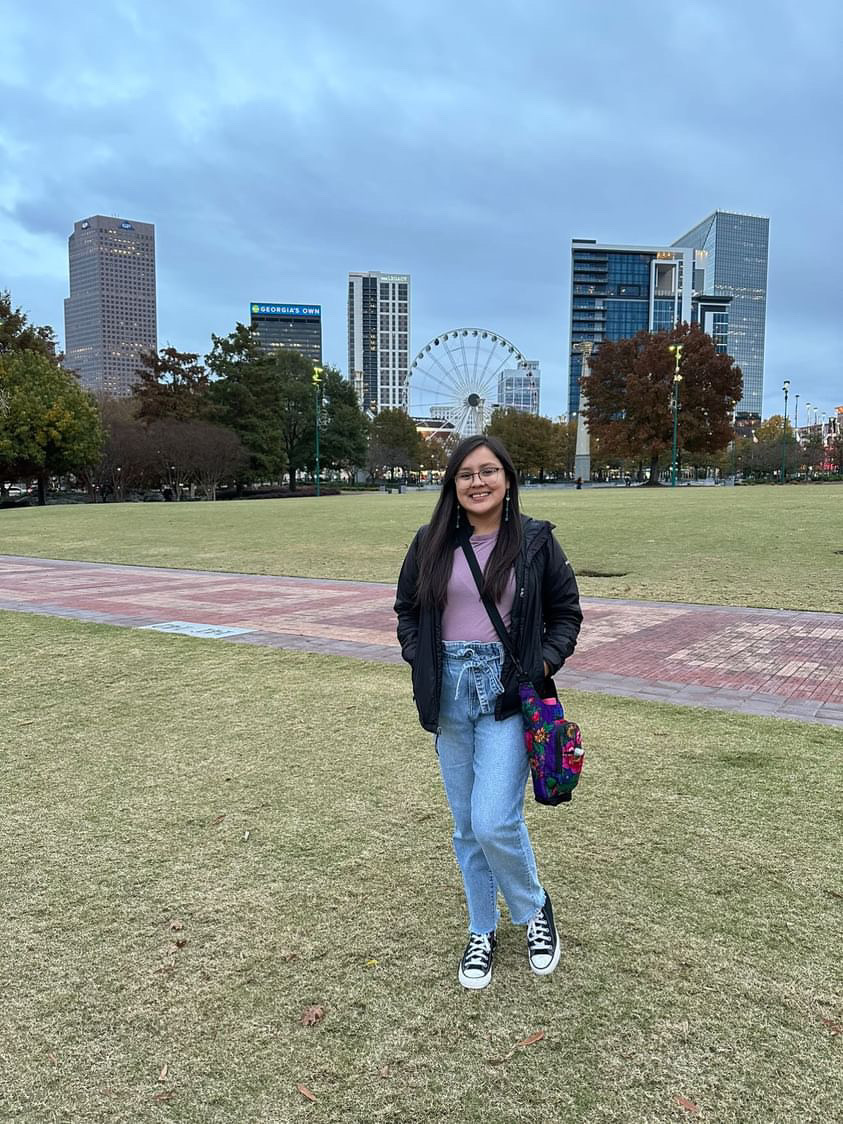
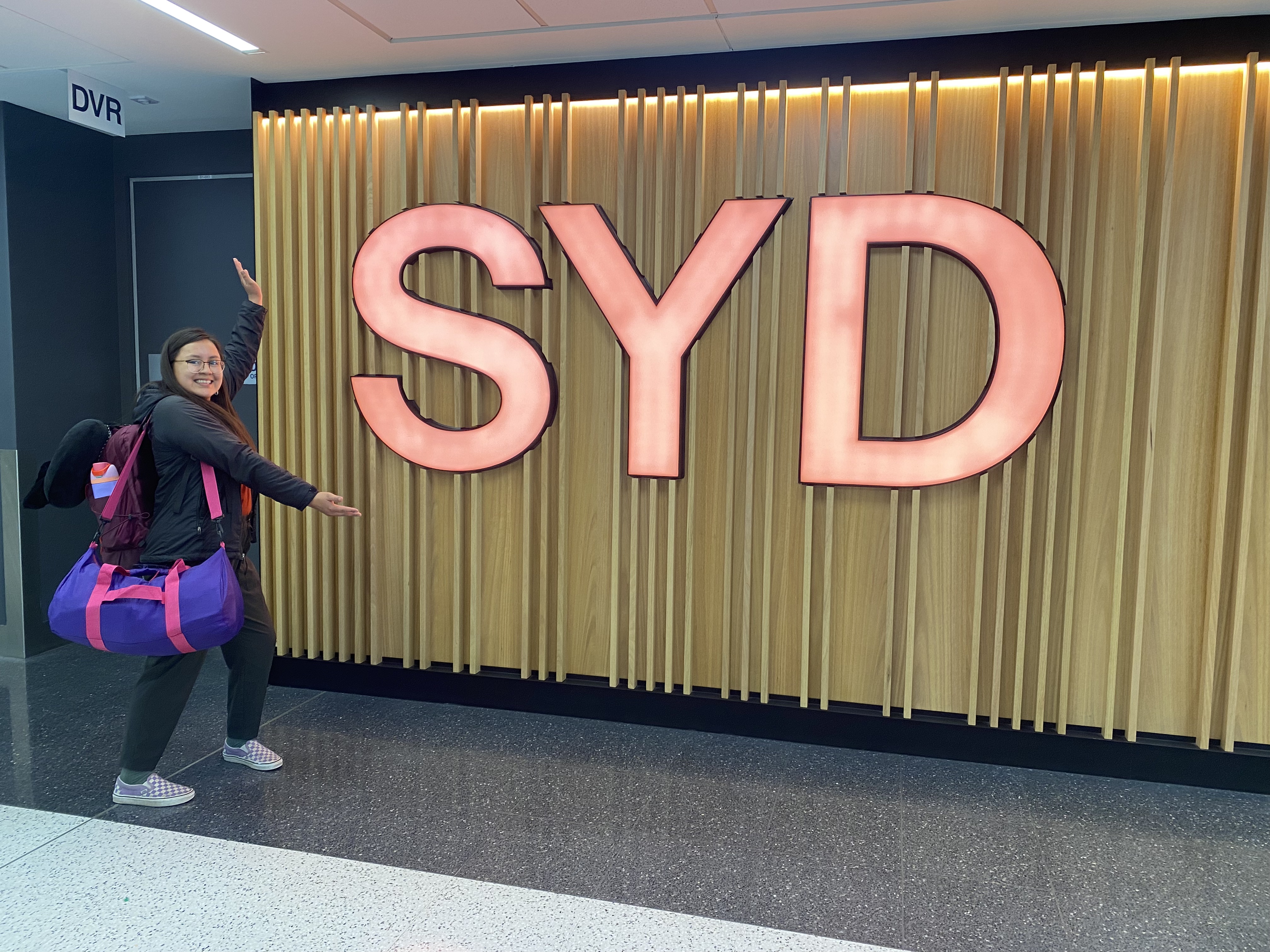
Younger me would definitely think the travel opportunities in my job are pretty cool. Through my work, I have been able to travel to Georgia, Minnesota, and even Australia to attend conferences and share the work we are doing. My colleagues and I also have an upcoming conference in New Zealand that we are very excited about.
Growing up in a rural border town in New Mexico, trips to cities like Phoenix or Los Angeles felt like big adventures. I never imagined that I would one day travel outside of the country, let alone multiple times. Because of my work, I have been able to experience new places, cultures, and perspectives that have broadened my worldview.
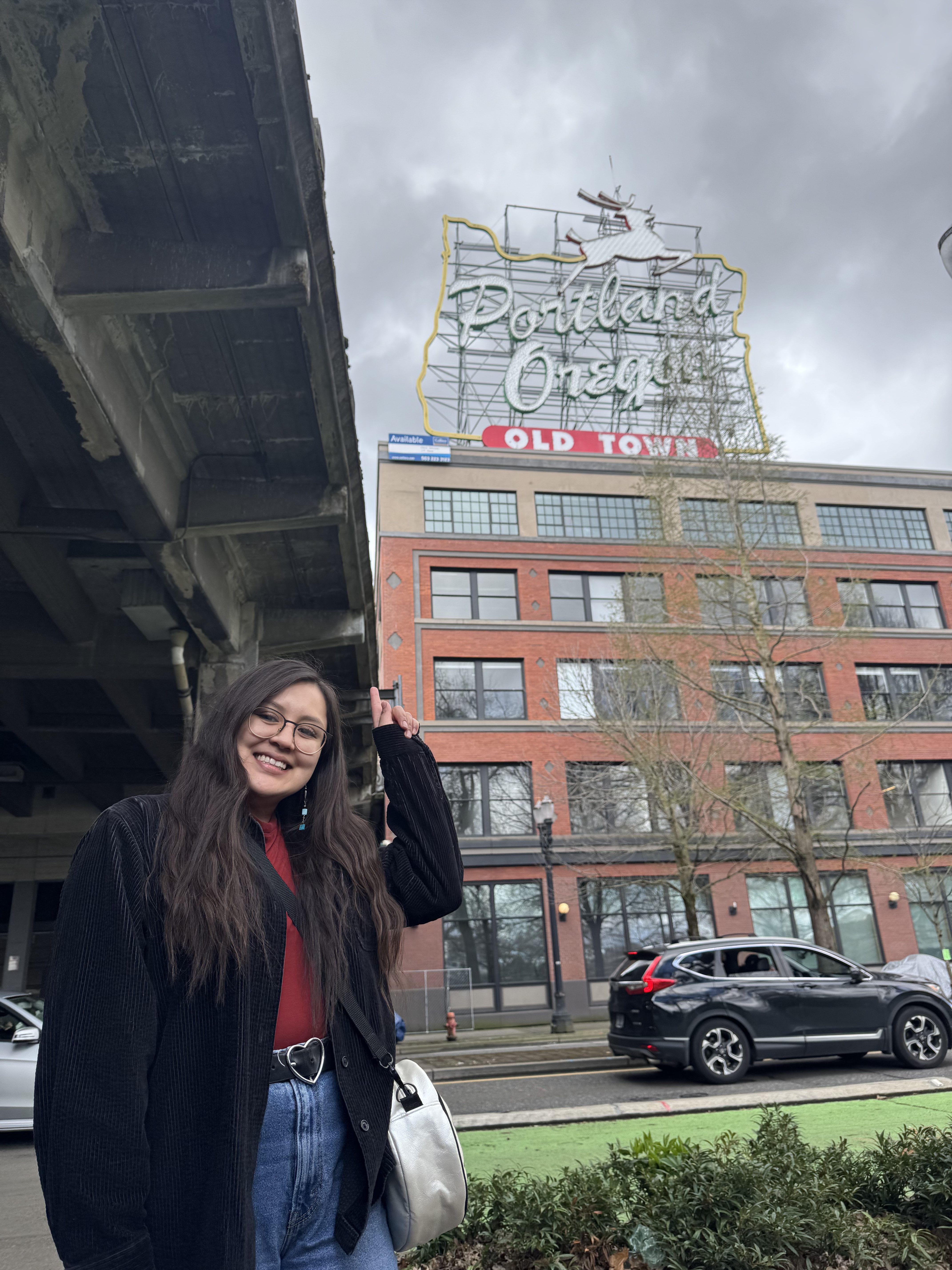
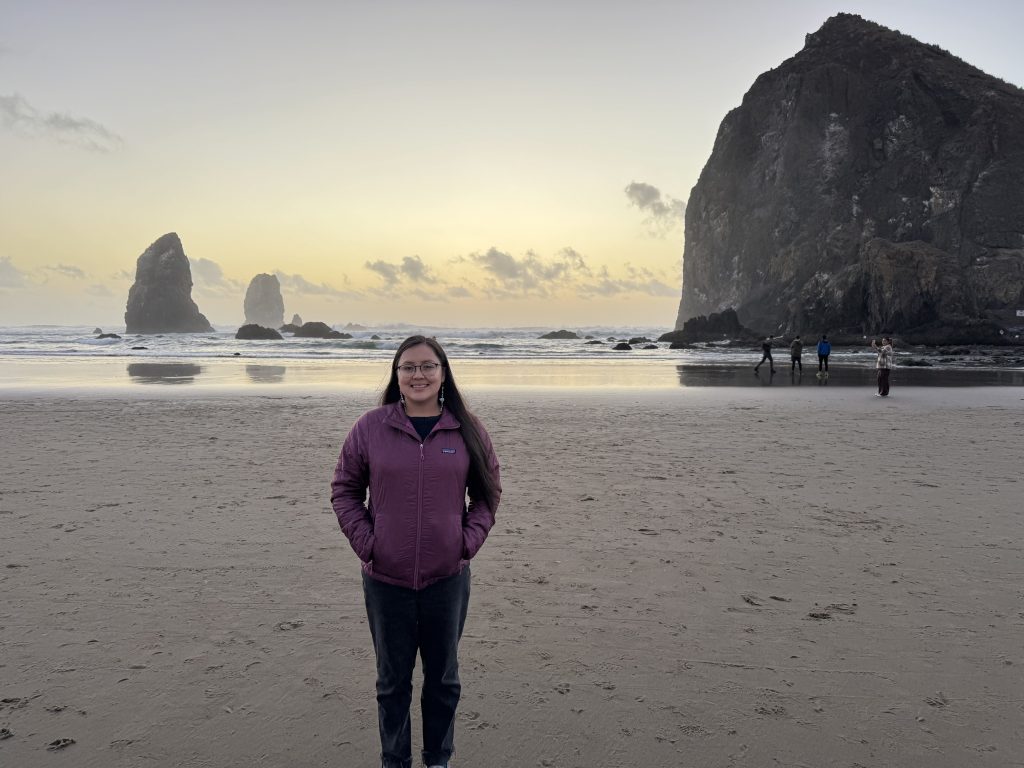
Another part younger me would probably find exciting is that I work remotely and currently live in the Pacific Northwest. She would definitely think it is cool that I live in what many people call “Twilight country,” but even more so that my career has allowed me to explore new places and build a life filled with experiences I once never imagined.
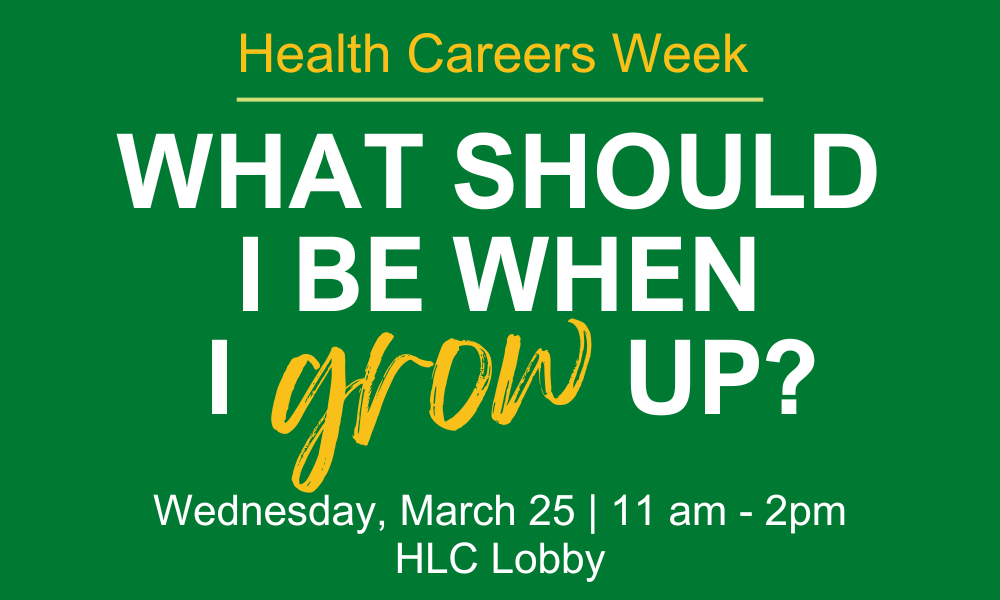
Interested in exploring what you want to be when you grow up? Join us for our third annual What Should I Be When I Grow Up? event on March 25.