Hybrid Occupational Therapy Student Spotlight: Meet Drema
Meet Drema, a current hybrid occupational therapy student. Drema is a certified occupational therapy assistant completing her capstone training at the Mayo Clinic, and will earn her doctorate degree in occupational therapy this year. Read on to learn more about Drema’s journey to becoming an occupational therapist and why the NAU Hybrid Occupational Therapy program was the right fit for her.
What has been your favorite memory from your OT journey so far?
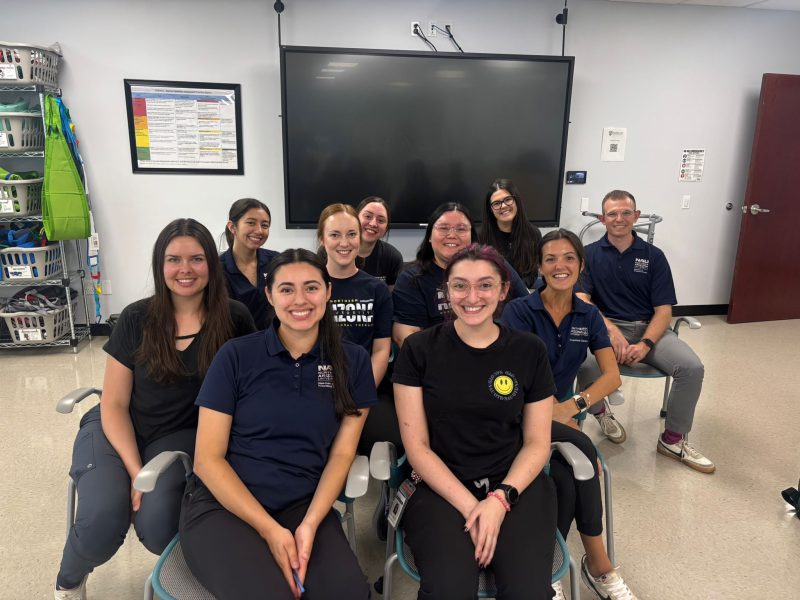
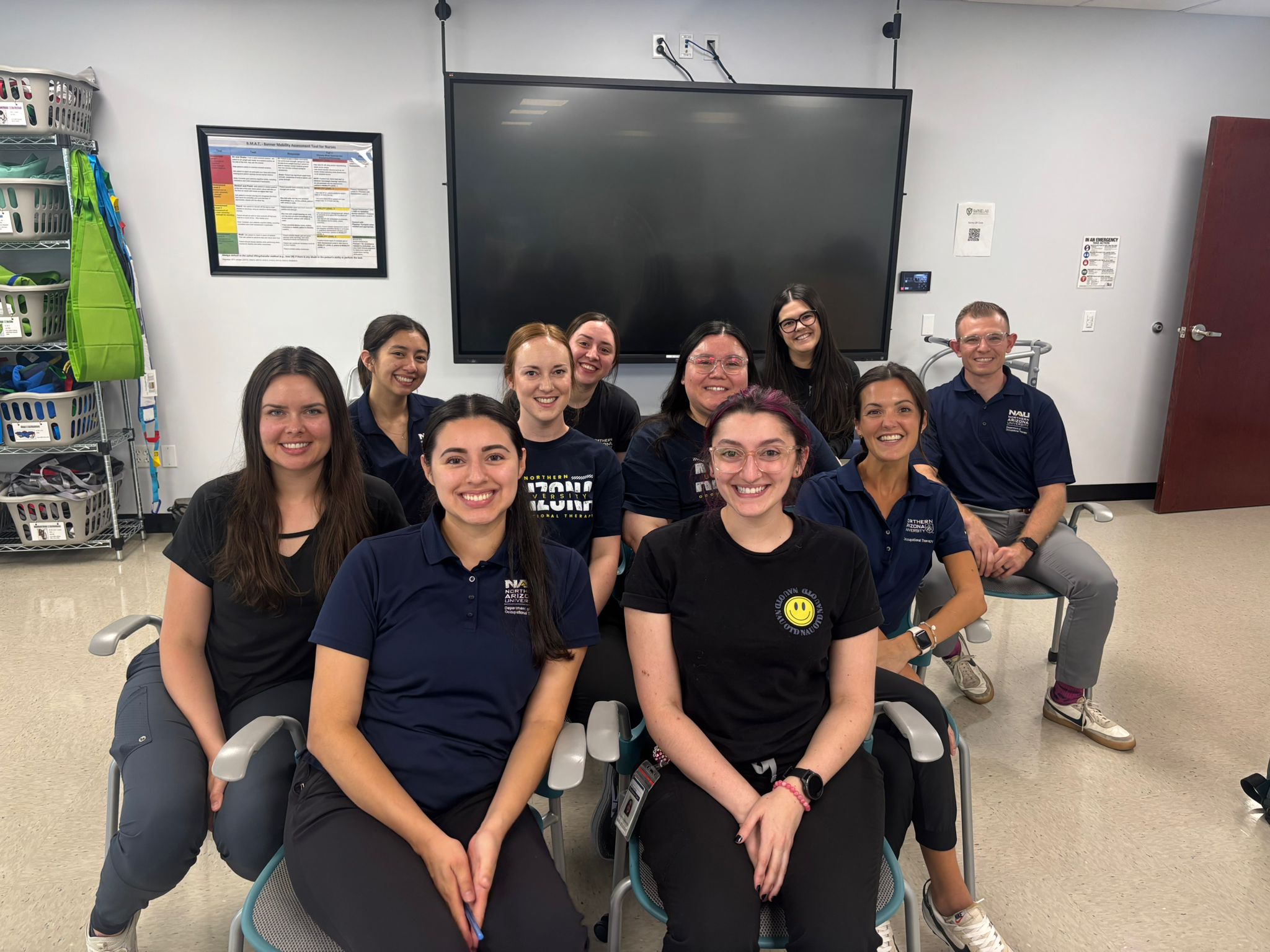
My favorite memories come from the connections I’ve made through the Hybrid OT program. Our hybrid cohort is very small, about ten students, which created a strong sense of togetherness that I’ll never forget. During didactic courses, every in-person weekend, three of us from Tucson would carpool and share a hotel room. Over time, we became incredibly close and formed lasting friendships. We still get together regularly, and that bond has been one of the most meaningful parts of my OT journey.
How do you hope to make an impact as an occupational therapist?
As an OT and future small business owner, I hope to make an impact in the Tucson community by providing mobile outpatient OT, lymphedema, and related wound care services. There is a significant need for these services, and many people face barriers to accessing rehabilitation, such as limited transportation, insurance restrictions, long waitlists, etc. There is also a shortage of certified lymphedema therapists and limited availability for maintenance or what insurance considers “unskilled” services. My goal is to help bridge these gaps and bring care directly to the people who need it.
When did you first discover occupational therapy, and what drew you to it?
I first officially discovered occupational therapy during my junior year at the University of Arizona while researching careers for a class assignment. I instantly knew it was what I wanted to do. It reminded me of how my mom cared for my aunt after her stroke. She didn’t know anything about OT, but she naturally motivated her through the activities she enjoyed and wanted to do, along with some sisterly tough love. That experience really reflected the heart of occupational therapy to me.
What does a typical day look like for you as a Hybrid OT student?
During didactic courses, we completed online coursework from home and then met in person for about three days every other weekend for hands-on training and further instruction. Some courses also included synchronous Zoom sessions. It was a good balance of independent learning and in-person skill development.
Why is the Hybrid program the right fit for you?
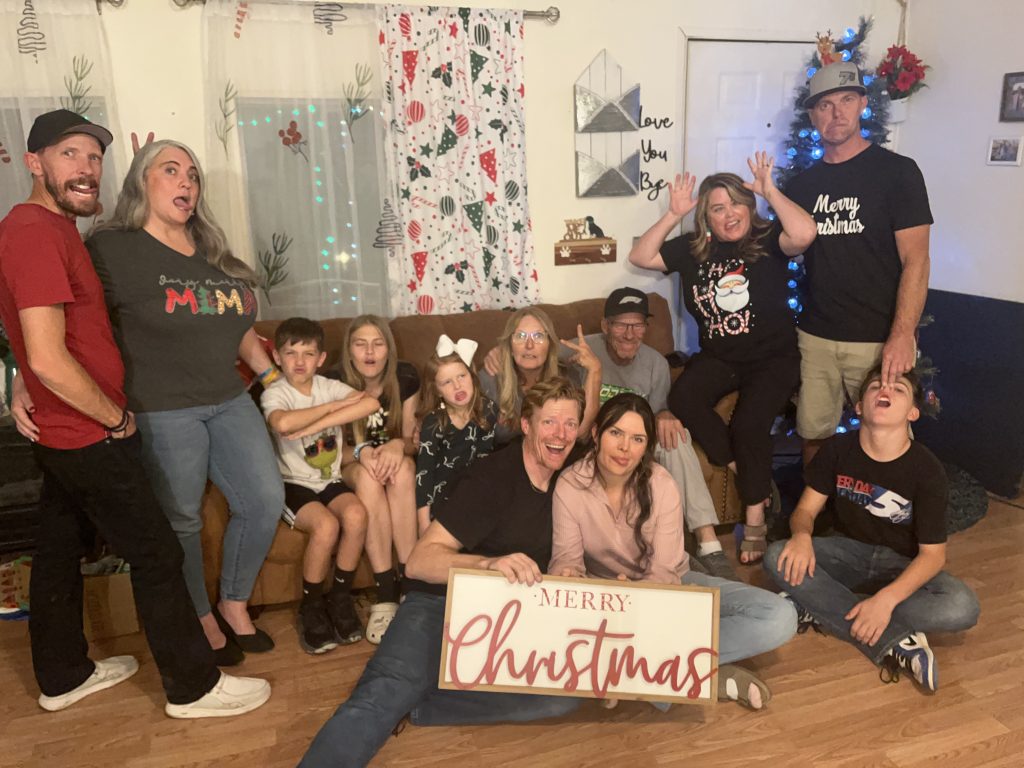
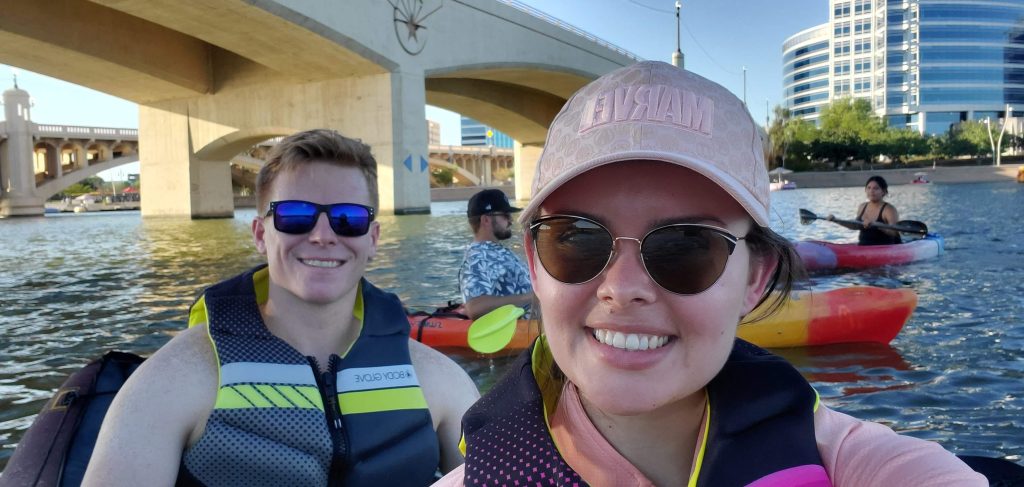
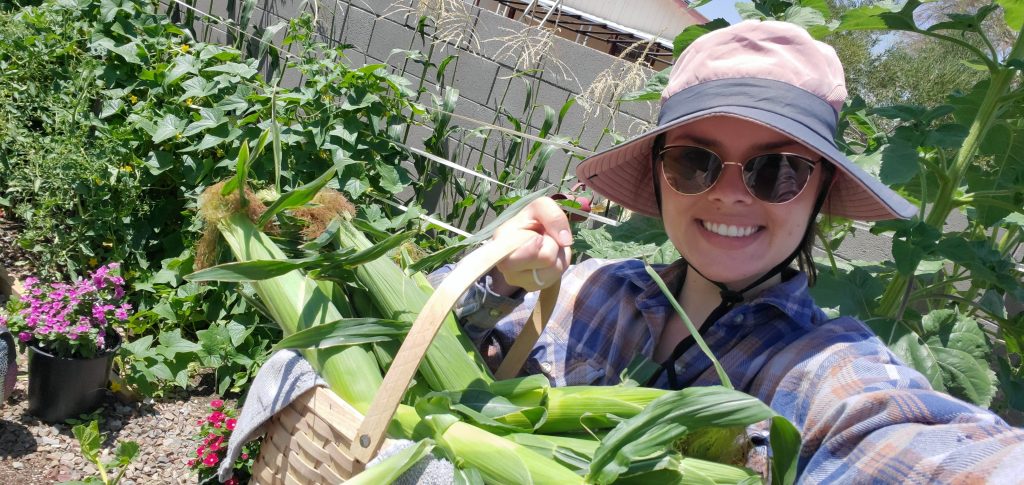
My husband, two dogs, and I initially moved from Tucson to Phoenix for the first year of the traditional OTD program, but I was able to move back home when I joined the hybrid track for my second year. The hybrid program gave us the flexibility to return to Tucson and start a new adventure: buying a travel trailer to live in instead of spending our money on rent. That decision has allowed us to own something, live more simply, and save toward our long-term goal of purchasing land and building our home. The hybrid format also brought more occupational balance into my life. I was able to be closer to family and continue working when possible, which is something important when you’re married and building a life and career. I’m also an OTA, so I had the opportunity to work PRN at Encompass Inpatient Rehabilitation while attending school. There weren’t any OTA-to-OT bridge programs available in Arizona at the time, but the NAU OTD program was the right fit for me. I was initially unsure about switching to the hybrid format, but after hearing about its benefits, I knew it was the right choice.
What advice would you give to future OT students?
Step outside your comfort zone and try new things. For me, diaphragmatic breathing and cognitive reframing techniques helped me lessen my feelings of anxiousness and become more comfortable asking for help. One of the most beneficial things I’ve learned in practice is not just knowing how to do something, but understanding the “why” behind it. That deeper understanding builds confidence and helps guide your next steps. Above all, developing my therapeutic use of self has been the most impactful skill, not only for my patients and clients, but also for my relationships with coworkers.
Could you share a little bit about your lymphedema certification? What was the process of gaining that certification like?
I completed the Klose lymphedema training, which was an intensive and rewarding experience. In addition to learning the clinical skills, the instructors emphasized connection within the certified lymphedema therapist (CLT) community and shared many resources for ongoing support. One statement from the training really stood out to me: “You are only alone if you choose to be. There is a whole community out here willing to help; you just need to reach out.” That message resonated with me not only professionally, but in life in general. I am also working toward my Certified Wound Therapist (CWT) certification to further expand my skills and better serve clients with complex needs within my OT scope.
Is there a particular setting or patient population you’re passionate about?
I’ve grown especially passionate about working with individuals who are experiencing or have experienced cancer. Lymphedema is very prevalent in this population, and there are many ways to help manage it, even though it is a lifelong condition. Unfortunately, many people still don’t know about these services or don’t have access to certified therapists, so advocacy remains very important. During my capstone at Mayo Clinic in Scottsdale, I’ve had the privilege of working with many of these clients. I’ve already learned so much; not only advanced clinical skills, but also about the lives and stories of the people themselves. It has been incredibly meaningful.
What skills have you gained from the program that you are most proud of?
I’m most proud of my ability to take on challenges, even when outcomes feel uncertain. That mindset helped me develop my capstone project to build my future business and improve access in my hometown. The program gave me many opportunities to learn more about myself, build resilience, and grow as a leader. This journey hasn’t been easy, and I’ve had to work very hard to reach each step along the way. I also recognize the privileges and support systems that have helped make these opportunities possible. Balancing that awareness with determination and persistence has shaped my mindset throughout the program. I’ve learned to face challenges head-on, continue refining my skills, and create opportunities for myself rather than waiting for them to come my way.
Contributed by Business Administration, Marketing undergraduate student, Katie Fahy