Lessons from the Field: CHHS in Malawi and Peru
Last summer, NAU College of Health and Human Services students had a once-in-a-lifetime opportunity to take their skills abroad and make a positive impact. Through the NAU Global Health Field School program, groups of students traveled to Peru and Malawi, where they applied their coursework to real-world settings and worked on public health interventions aimed at addressing health disparities in underserved communities
The Global Health Field School is designed not only as a travel experience, but also as an immersive academic program that prepares students to understand global health systems, ensuring they return with skills they can carry into their careers.
In Malawi, students spent nine days immersed in the country’s healthcare landscape. They toured both rural and urban clinics, gaining firsthand insight into how geography and access to resources shape health systems and influence patient outcomes. To gather community insights, students spent three days conducting community needs assessment interviews in local clinics. They used their findings to plan a public health intervention. To better connect with the local community, students took lessons in Chichewa, Malawi’s native language, and received additional tutoring from their driver, who became a friend to all by the end of the trip.
When the group arrived at Bangwe Primary School for a health education lesson with the students, they were met with a surprise: school had been dismissed early. What could have been a major setback quickly became an unexpected lesson in flexibility. Word spread through the village, and soon local children rushed back to school, excited and curious to meet the visiting NAU students. Partnering with peers from Malawi University of Science and Technology, the team reorganized on the spot.
Students immersed themselves in the unique culture of Malawi, exploring sites such as the Blantyre Market, a bustling traditional marketplace in the country’s economic center, and participating in a boat safari through the Shire River, where they learned about the health issues faced by the local fisherman. They stayed at the Liwonde Safari Camp where they were greeted daily by the local wildlife, monkeys, and elephants included.
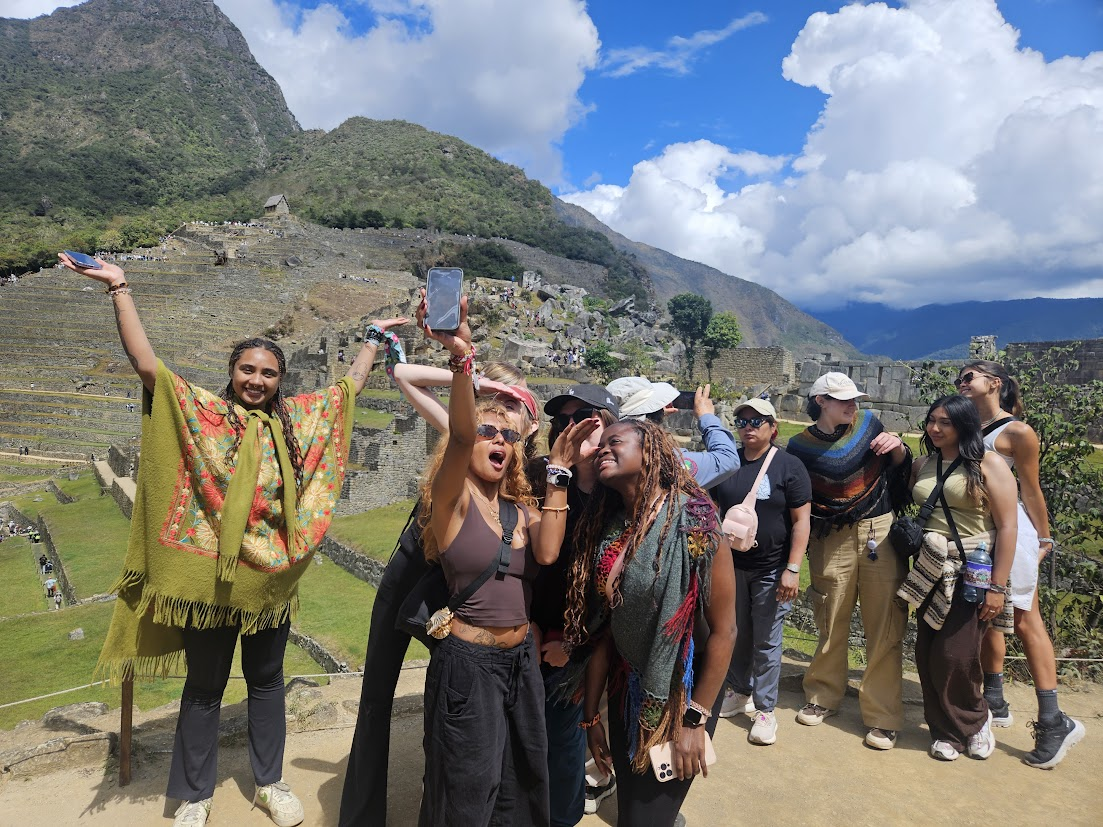
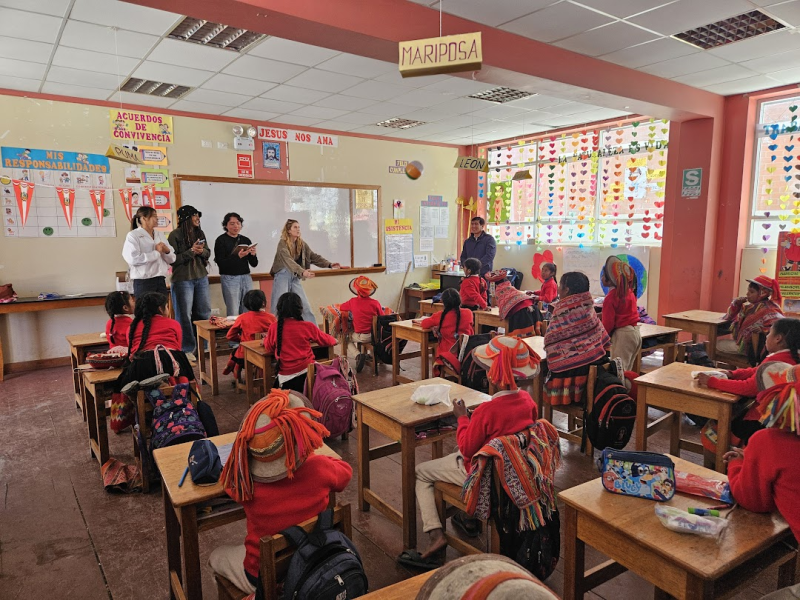
In Peru, another group of students immersed themselves in local culture while exploring a healthcare system vastly different from what they had experienced at home. The trip began in Cusco, where students stayed with host families, an experience many described as one of the most meaningful parts of the program. Living with local families allowed students to build personal connections, share homemade Peruvian meals, and gain firsthand insight into daily life, traditions and values.
Students spent four days participating in immersive Spanish and Quechua language and culture instruction, alongside hospital site visits where they learned about health systems, available resources, and practices related to maternal care. They then traveled to Ollantaytambo to visit the Huilloc community, where they learned about traditional Quechua plant medicine, midwifery practices, and the role of culture in health decision-making.
Their public health intervention took place at Huilloc Primary School, where they taught three health education lessons over three days. Primary school students learned about oral health, best handwashing practices, and food safety. Outside of their studies, students visited cultural markets, hiked to archaeological sites, tried Peruvian food, and even took a class in Quechua traditional dance.
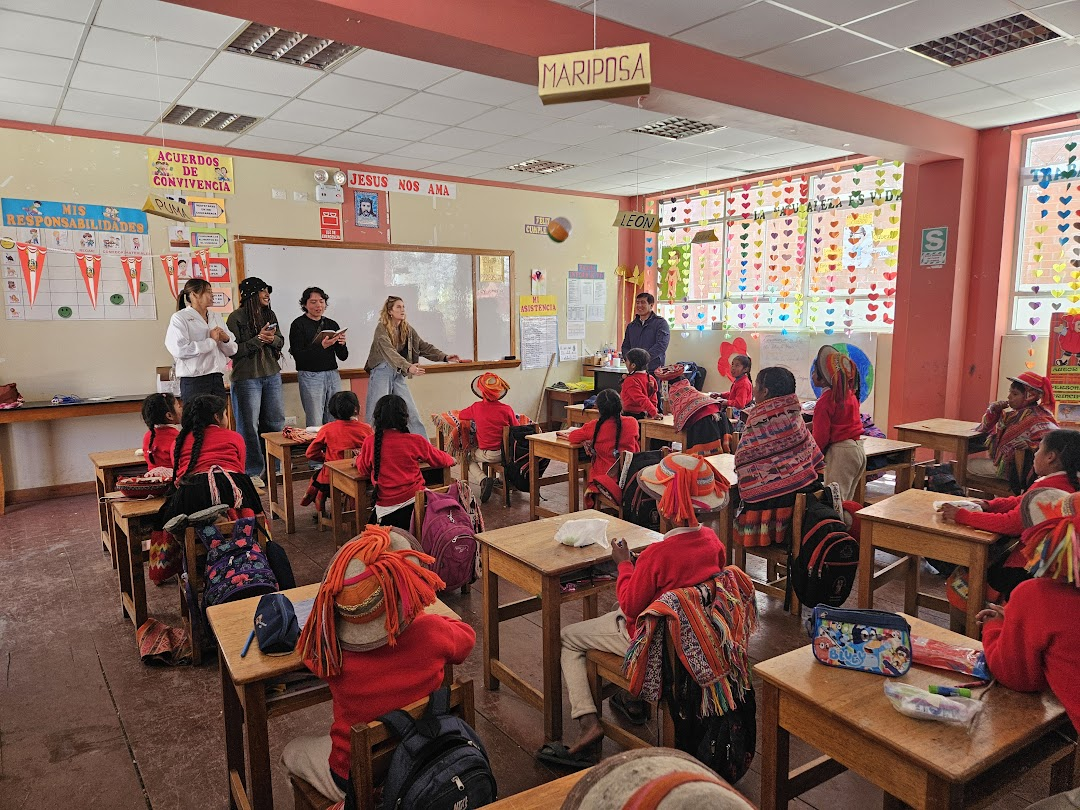
In both destinations, students gained powerful insights into global health challenges and the importance of culturally responsive care. Many students shared that seeing healthcare settings and health outcomes so different from their own was one of the most impactful parts of the experience. One student, reflecting on their time learning about Quechua traditional medicine, noted, “Public health is all encompassing. It is important to know how people from cultures other than your own connect to their own health.” Their reflections highlight how essential cultural competence and global awareness are when preparing for a future career in health.
As students return to NAU, they carry with them not only new knowledge, but a broadened worldview and a strengthened commitment to health equity. Programs like the Global Health Field School support NAU’s mission to prepare globally aware, community-minded health professionals.
Students interested in participating in Summer 2026’s Global Health Field Schools in Malawi and Peru can learn more and apply through the NAU Study Abroad Office. There are no prerequisites for these courses, and all majors are accepted. Applications for Summer 2026 are open through February 15, 2026.
Contributed by Business Administration, Marketing undergraduate student, Katie Fahy