AZ Summit 2025
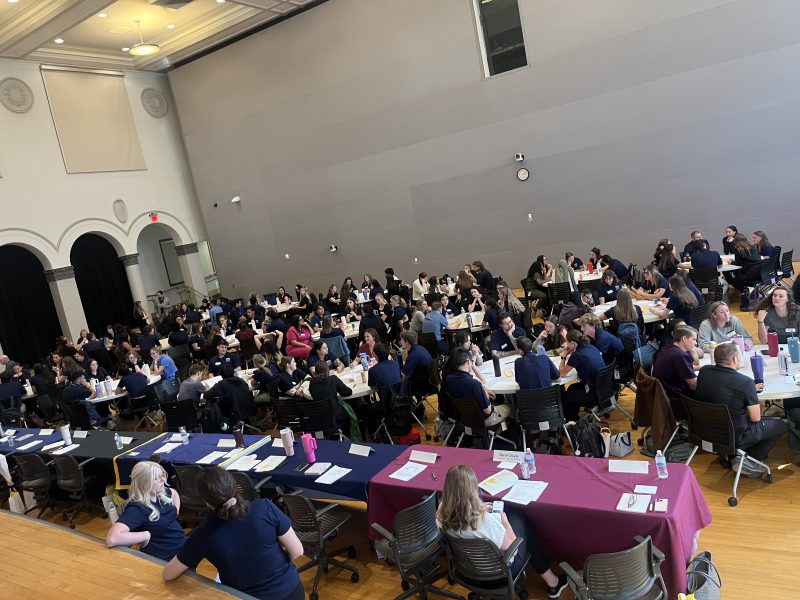
AZ Summit is an interprofessional education (IPE) event that is held each fall at the Phoenix Bioscience Campus (PBC). This event is designed for students across several professions. The goal of this event is to provide an interprofessional educational learning activity to help students improve communication and teamwork skills, develop an understanding of other providers’ roles, and practice ethical patient centered care.
This year was unique for several reasons as Jess Salyers, assistant clinical professor in the NAU Occupational Therapy (OT) department, assumed the role as the chair of the planning committee. When Dr. Salyers stepped into the role in the summer of 2025, she knew she could not develop a new case alone. She needed to seek expert guidance, and she needed OT student support. Dr. Salyers paired up with Dr. Emily Rich, an occupational therapist and researcher in Tucson, Arizona to develop a case with and about individuals with Ehlers Danlos Syndrome (EDS), Mast Cell Activation Syndrome (MCAS), and Postural Orthostatic Hypertension Syndrome (POTS). They began working on the case outline and identified providers in the following professions: occupational therapy, physical therapy, physician assistants, nursing, and counseling.
These expert providers developed prework specific to their health profession to help students prepare for the in-person event in November. What was critical to the development of the prework was that each provider had the positionality as an expert in their field and patients with these conditions.
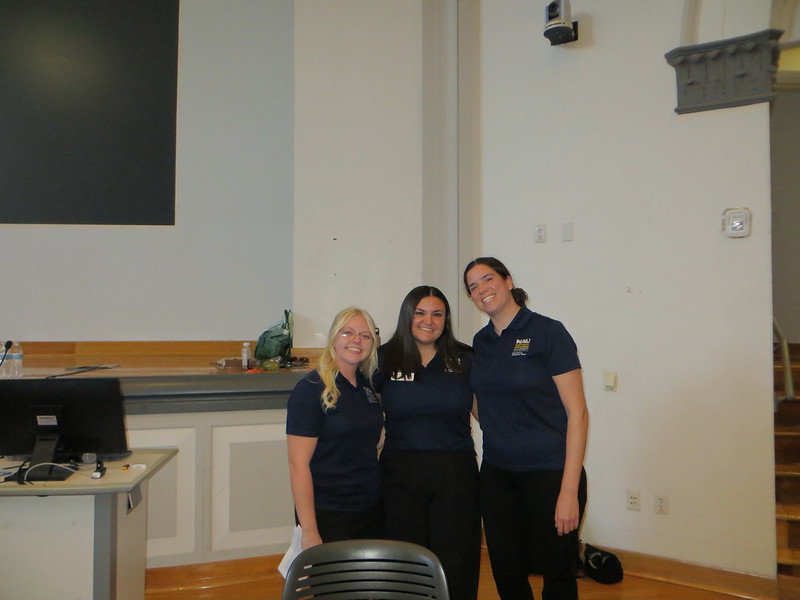
Dr. Salyers also worked with three 2nd year occupational therapy students in the hybrid program who matched with this project as part of a community and sustainability class. Aleena Benedict, Shaylee Cain, and Jackie Paxton conducted interviews with PA, PT, OT, Nursing, and Social Work faculty to ensure that the case was developed to meet their programs’ learning outcomes. As the AZ Summit planning committee moved forward with the case development, it ensured that individuals with complex conditions were fully integrated into every step of the redesign.
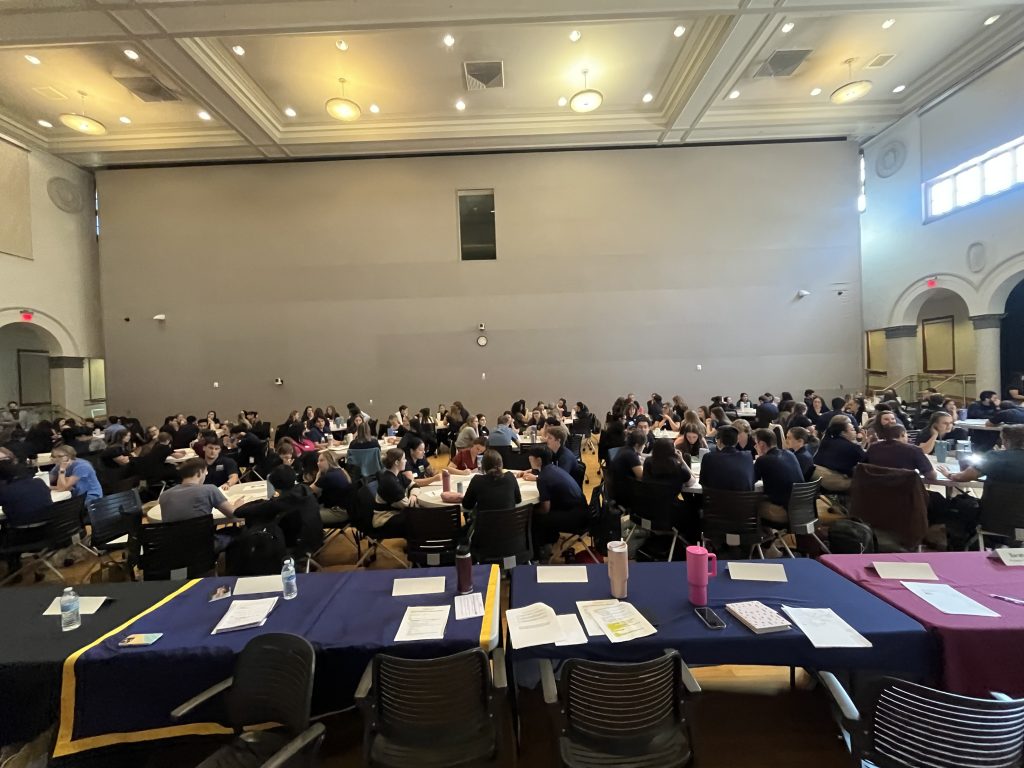
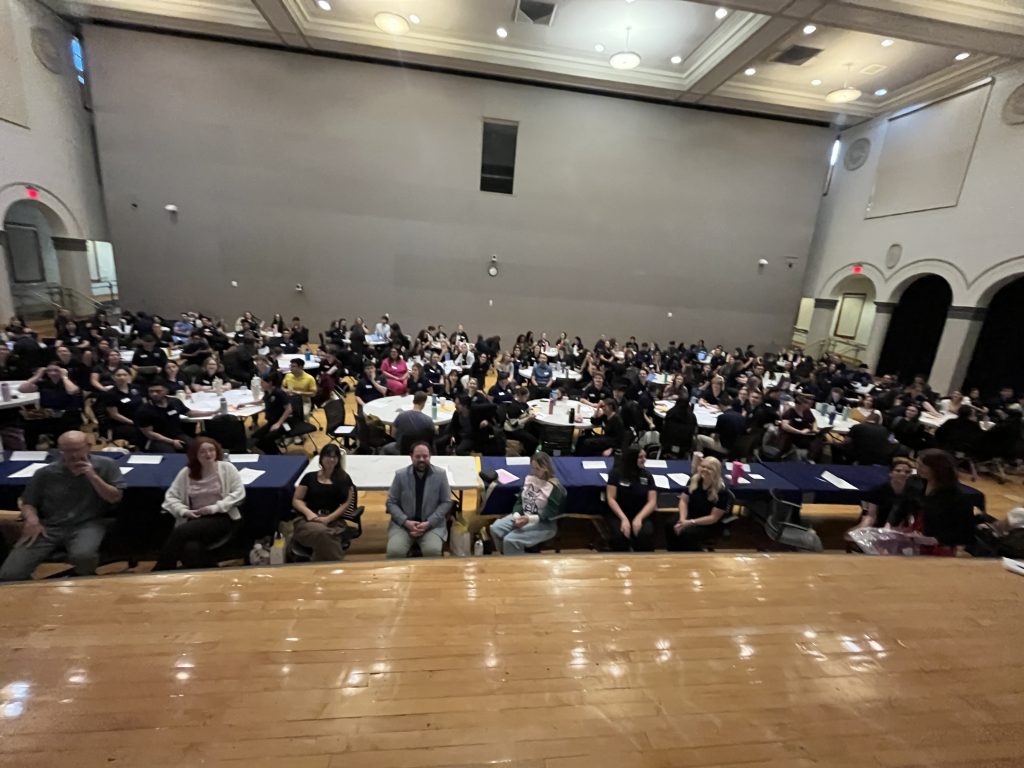
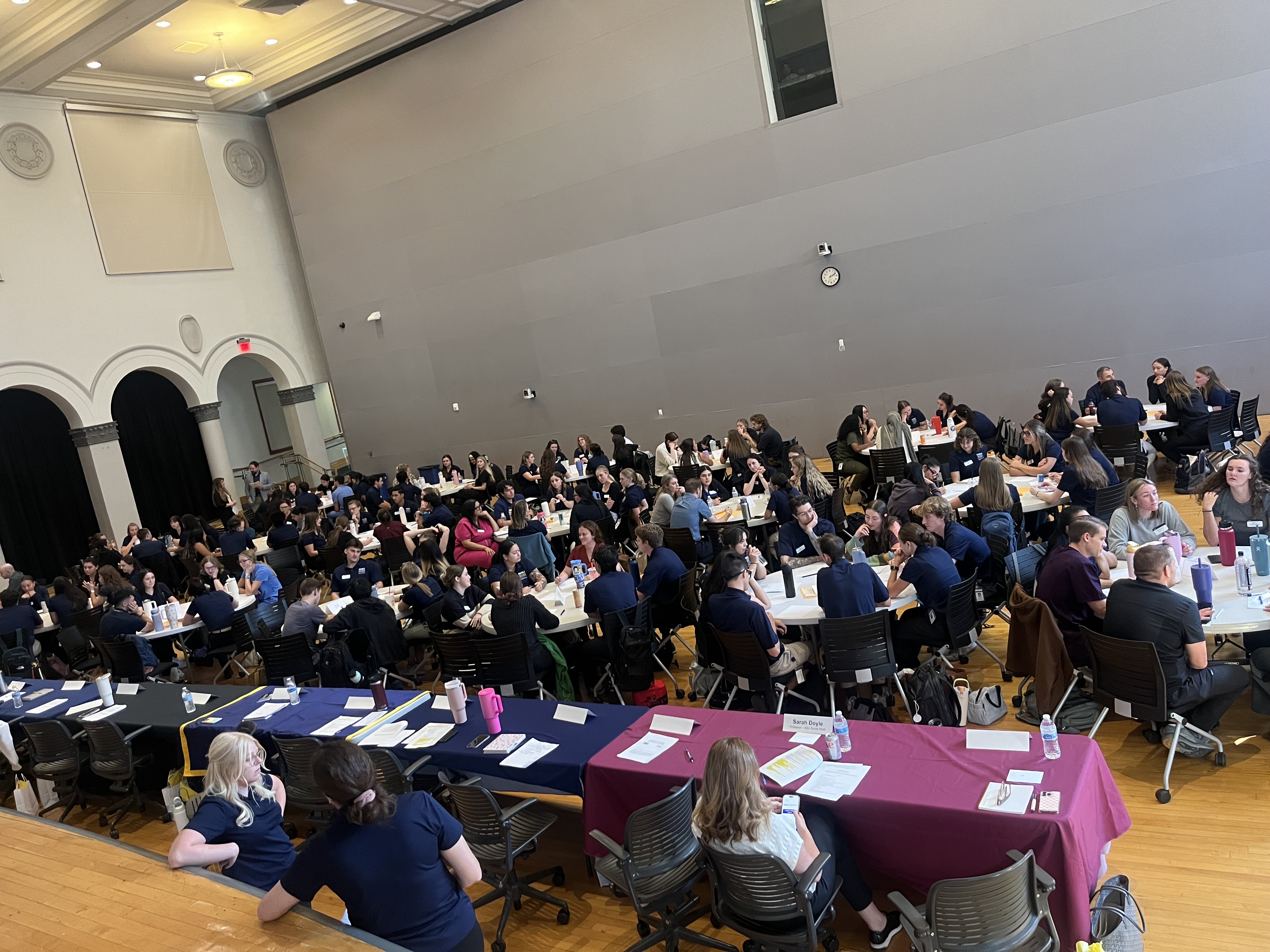
The day of the event involved four structured hours for the most beneficial experience for the students. Students from different healthcare programs were preassigned teams. The event began with an ice breaker to facilitate communication and connection before working on the case. The updated patient-provider video was played so that students could observe a patient with EDS move and demonstrate hypermobility, and answer questions from her healthcare provider. The students practiced notetaking and observation skills before working through the student learning packet as a team which offered structured and guided questions so that they could develop a team-based plan of care. While the students were working in teams, faculty members from NAU’s College of Health and Human Services, faculty from ASU’s Nursing program, and College of Medicine and Pharmacy, and four patients were available to answer questions and provide directions as needed. The event concluded with students asking providers and patients questions to deepen their understanding. This year’s AZ Summit created a safe space for inclusiveness among professions and patients.
Due to the need for more inclusive IPEs, Dr. Salyers and Dr. Rich along with the three OT students will be preparing a retrospective Institutional Review Board (IRB) to analyze and further understand the impact of this event. The event will be represented at the 7th Annual Standford Conference on Disability in Healthcare and Medicine as part of a research flash talk as part of “Innovations in Advancing Disability Inclusion in Medical Education”